spacestr

🔔 This profile hasn't been claimed yet. If this is your Nostr profile, you can claim it.

Edit
FoodHistory
Member since: 2026-10-15
FoodHistory
FoodHistory 21m

World War Wednesday: Save Seed For Victory (1918) "Save Seed for Victory," 1918. National Archives. The United States Department of Agriculture published this propaganda poster in 1918. It encouraged farmers to "Save Seed for Victory - Start Right NOW in the Field - Good Seed Wins." An oval inset shows a disgruntled-looking farmer standing in a field of stunted and sparse corn stalks, with small dark ears of corn scattered on the ground. To the side of the oval reads, "From Unknown Seed - Defeat." In the larger portion of the poster, a farmer with a small smile harvests enormous ears of corn from stalks almost twice as tall as him, placing them in a large bag at his waist. The ears in the foreground are enormous, with the foremost cornstalk reaching to the top of the poster, and a large wicker basket full to overflowing with large golden ears is accompanied by the text "From Home-Grown, Field-Selected, Well-Preserved Seed - Victory." The fine print at the bottom reads, "Farmers' Bulletin 415 gives information on Selecting and Saving Seed-corn - the kind that produces Victory Crops. Send for a free copy. United States Department of Agriculture, Washington, D.C." At the bottom in all capital letters, reads "PLEASE POST IN A CONSPICUOUS PLACE." The corn pictured here is not the sweet corn that humans eat with butter and salt, but rather field corn, or perhaps a dent corn destined to become cornmeal. The primary use of this type of corn was in feeding livestock first, and people secondarily. Directed at farmers, this propaganda poster was designed to change habits. The Progressive Era brought science and professionalization to many fields, including agriculture, but farmers were notoriously conservative and many were suspicious of new techniques. As this poster illustrates, many saved seed indiscriminately from harvests. But agricultural scientists knew that careful seed selection and breeding helped develop more stable crops with higher yields and better disease resistance. This poster was an attempt to get farmers to think strategically about seed saving, thereby improving crops and yields at a time when demand was high. There was just one problem with that line of thinking - higher yields had historically meant lower prices for farmers. Many were reluctant to dramatically increase production, fearing a crash in the value of their crops. During the war, demand was high enough that their fears did not materialize, but they did in the aftermath of the war. The agricultural depression of the 1920s was the canary in the coalmine of what became the Great Depression. But the USDA and other government agencies were more concerned with present demand than future markets. And this educational effort was part of a wider one to improve the economic and social prospects of farmers across the U.S. The poster recommends that farmers refer to Farmers' Bulletin 415, which is all about seed corn. First published in 1911, the bulletin emphasizes the role of seed saving in crop yields: "There is each spring a scarcity of good seed corn. This condition is all the more regrettable because it need not exist and it is much more serious than commonly supposed because many do not fully realize the tremendous loss to themselves and the country due to planting inferior seed. [. . .] The loss is due to delay or negligence. It can be prevented by the selection of seed corn in the autumn. If good seed corn could be manufactured in a few weeks' time many factories would be working day and night from March till June. Each spring the writer regrets the unfortunate position of many thousands who too late inform the United States Department of Agriculture of their willingness to pay good prices for seed corn and of their inability to obtain it." Here, the bulletin author indicated that farmers frequently wanted better seed and often could not get it. So, he recommended that farmers take their crop futures into their own hands. The bulletin recommends selecting seed corn from thick stalks with large ears that grew well in adverse conditions, like poor soil, less water, and in competition with each other, recommending that corn stalks with suckers be avoided. By selecting corn that adapted well to poor conditions, the subsequent crop would deal better with adversity and have better yields. Emphasis is placed on ensuring seed corn is husked and thoroughly dried shortly after harvest to avoid mildew, spoilage, or attracting i. "An ideal method of treating seed ears by stringing them immediately after they are gathered." Farmers' Bulletin 415, p. 9. A number of racks for drying and storage are illustrated, but the binder twine method (illustrated above), where ears are suspended in dry hay lofts were considered the best. By encouraging farmers to think strategically about their crops, the USDA of the Progressive Era was trying to improve both corn and farmers' lives. During World War I, the improvements took on the added urgency of increasing yields for the war effort, rather than for science and economics. But the effort to increase yields had consequences. Grain and livestock prices skyrocketed during the war, leaving many farmers more flush with cash than most had ever been in their lives. While corn was not as desirable as wheat for human consumption, it was easier to grow and made good livestock feed, especially for hogs. While 1917 had brought voluntary rationing (including Meatless Mondays), by the end of 1918, increased production and yields meant that there was a serious surplus of both corn and hogs. Some of the surplus was absorbed by a Europe decimated by war, and by famine in the Russian empire in the 1920s (organized by former US Food Administrator Herbert Hoover). But by 1920, prices were starting to fall, heralding the start of what would become the Great Depression. By the time the US entered World War II, agricultural science had expanded, and hybridization was increasingly common. Unlike saving seed, hybridization required seed be specially crossed each time, and offspring would not breed true. So farmers had to buy seed every year. The centuries-old system of seed saving began to fade away, and many heirloom crops were lost. For farmers, buying seed each year was more expensive than saving seed, but it was also easier and more reliable. According to the USDA, in 1935, only 1% of corn in the US was hybridized - by 1940 it was 40%, and by 1960 it was 96%. For crop scientists, hybridization brought increased yields and disease resistance, and more genetic control. This was perhaps not the outcome the scientists at the USDA had envisioned during the First World War, but it was a consequence of the Progressive Era emphasis on scientific research, education, and progress. https://www.thefoodhistorian.com/blog/world-war-wednesday-save-seed-for-victory-1918 #rss #feeds #linksharing #qwibbit

#rss #feeds #linksharing #qwibbit
FoodHistory
FoodHistory 7d

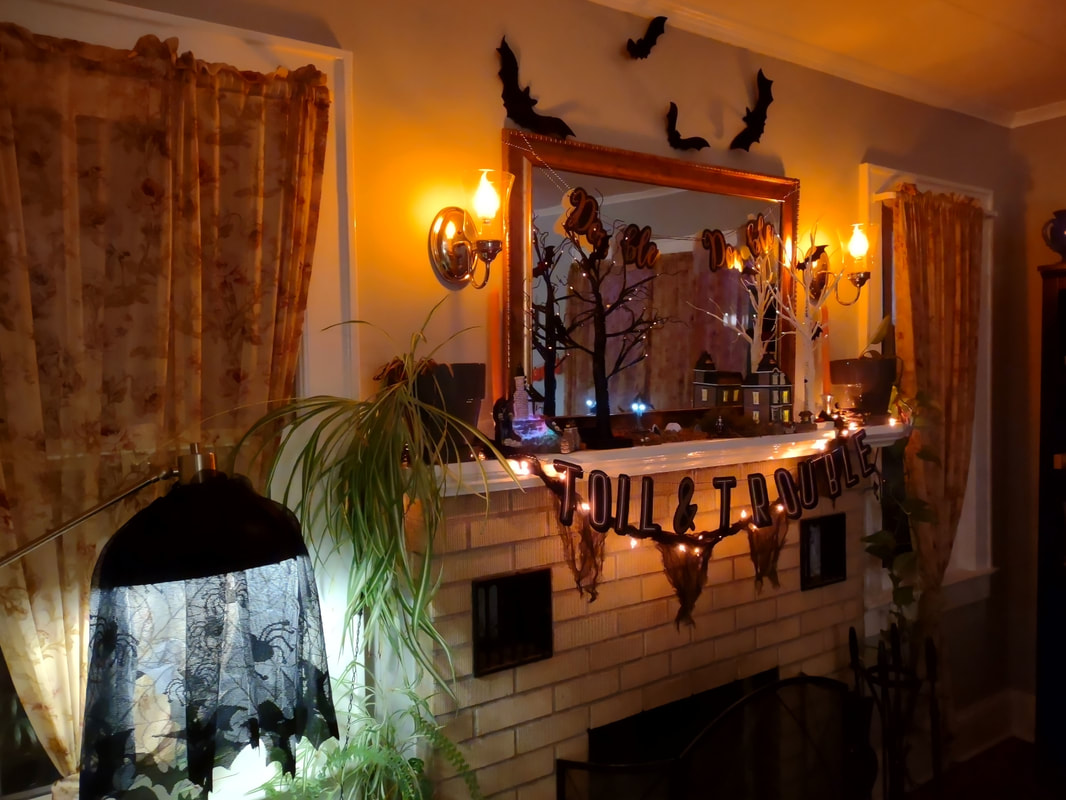
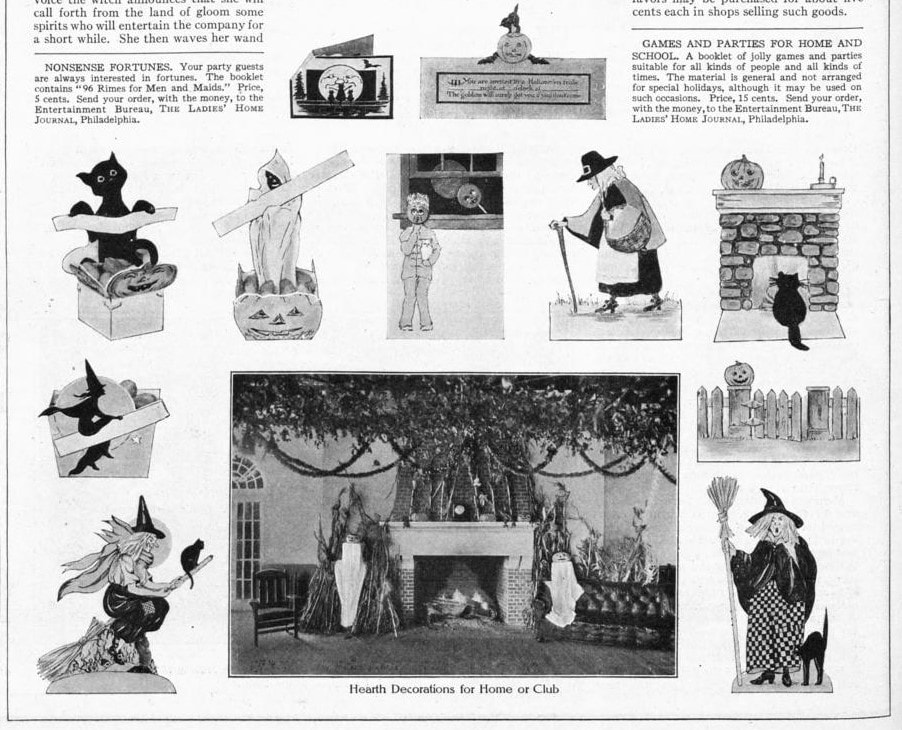
Halloween History & Vintage Recipes: An October Roundup Dear Readers, I am a huge fan of Halloween, and The Food Historian archives are proof! My annual Halloween party this year is sadly not taking place until November 7th (ugh, work schedules are no fun!), but in the meantime I thought we'd revisit some of the many posts I've made over the years to to give you some last-minute ideas for spooky celebrations, or just to dive down the rabbit hole of Halloween food history. Enjoy! Vintage Halloween Parties & Recipes The author's fireplace mantel, decorated for Halloween, 2023. I started throwing Halloween parties in 2014, but in 2019 "A Very Vintage Halloween" was my first vintage Halloween party post! This article is an overview of how I threw a vintage-themed Halloween party, complete with a menu and a few snackable recipes. In 2020, COVID ensured I didn't have an in-person party, but we did do a Food History Happy Hour! Here's the background behind the show, and here's the YouTube version, since Facebook took the original lives down. My 2021 Halloween Party was a smaller affair, but still fun. Plus I "discovered" this amazing Halloweenish cocktail. I went all out with Halloween research in 2022, including this deep dive into the Dennison's Bogie Books, the original Halloween influencers! I don't have posts for 2023 (literary-themed, everyone dressed up as their favorite book characters, I was a hobbit), 2024 (Gotham Noir - a 1940s-themed Batman Halloween), or 2025 (Tarot card themed - everyone dressed up as tarot cards!). This year's theme is Enchanted Forest, so if you want a post-mortem, or if you want menus or highlights from Halloweens past, let me know! Halloween in Wartime Detail of decoration ideas from "Hints for the Hallowe'en Lunch," from the "Poughkeepsie Eagle," October 28, 1917. With today's wartime gas prices and inflation, it seems like we might need to take a page from the past! Here's a roundup of all my "World War Wednesday" Halloween-themed posts: "We Must Have Some Pleasures in Spite of the War," features party and costume suggestions from the October, 1917 issue of Ladies' Home Journal. "New Dishes From War Flours" is also from the October, 1917 issue of Ladies' Home Journal and features some ration-friendly autumnal recipes. ​ "Hints for the Hallowe'en Lunch" is from the October 28, 1917 issue of the Poughkeepsie Journal, and features ration-friendly recipes, menus, and decoration ideas for a ladies' lunch. "Do Something Destructive This Halloween" takes us into World War II, with a propaganda cartoon from the San Diego Union newspaper, which was meant to discourage the horrors of juvenile delinquency which had taken over Halloween by the 1940s. ​ Halloween Food History Deep Dives "Snap Apple Night" by Daniel Maclise, 1833. We'll start with the all-time most popular blog post on this whole blog, "The Real Story Behind the 'Gross' Black and Orange Halloween Taffy," which is a deep dive (and a general defense!) of the story behind the vintage molasses peanut butter taffy the internet loves to hate. And of course, what would Halloween be without pumpkins? If you love pumpkin, you'll love this deep dive into the "Secret History of Pumpkin Pie Spice," which reviews the not-so-nice history behind America's favorite spice mix. And if you want to get a head start on Thanksgiving, check out "Lydia Maria Child's Pumpkin Pie" and "The Secret Behind Libby's Original Pumpkin Pie Recipe" and if you're not in the pie mood, try these pumpkin pancakes for a festive brunch, or this cranberry pumpkin bread pudding I made for my 2019 Very Vintage Halloween party! As much as I love pumpkin, in 2023 I had to chronicle the history behind Halloween's TRUE favorite fruit: apples, which reviews the history behind Snap Apple Night, apple divination, and more. If you want more apple recipes, check out my Apple Blackberry Crumble, New England Blackberry Applesauce Spice Cake from 1958, Old-Fashioned Baked Applesauce Custard, and just in time to vote, Virginia Apple Pecan Election Cake. And dear readers, if you want to know more about Halloween history, let me know in the comments and I'll start researching for 2027. Until then, Happy Halloween! https://www.thefoodhistorian.com/blog/halloween-history-vintage-recipes-an-october-roundup #halloween #vintagehalloween #foodhistory #recipes #roundup #party #war #worldwar #homejournal #batmanhalloween #rss #feeds #linksharing #qwibbit
#halloween #vintagehalloween #foodhistory #recipes #roundup
FoodHistory
FoodHistory 7d

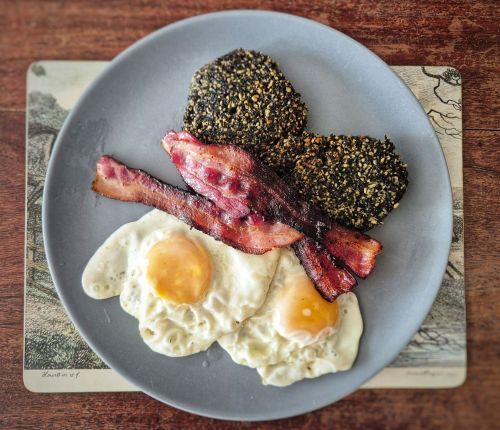
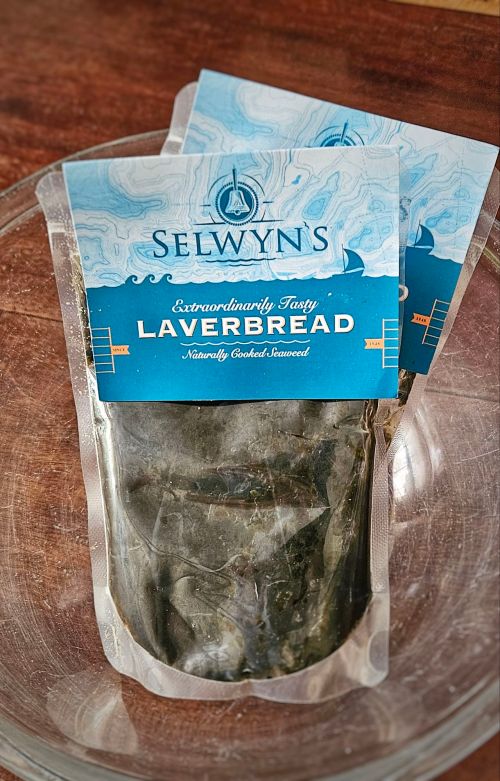
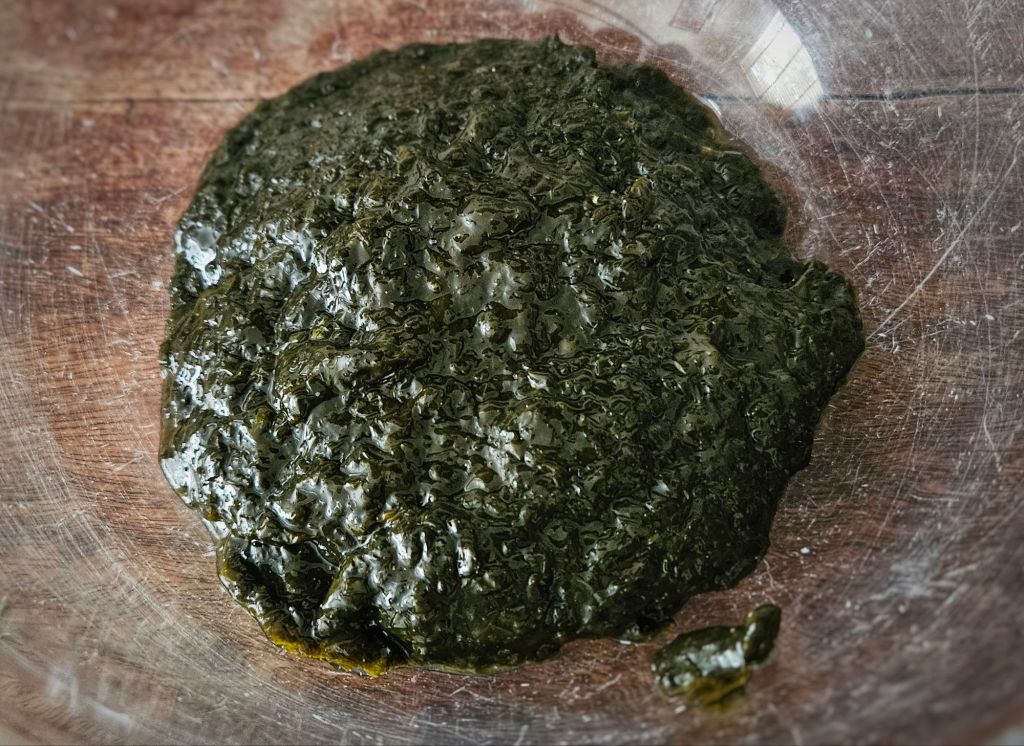
Laver Cakes I went on a trip to Wales earlier this year with the family and brought several packs and tins of laverbread back with me. I love its black-green colour and intense marine flavour, though I must admit the first time I tried some, it was a bit of a shock. There is really nothing else like it; some folk compare it to spinach or caviar, but I don’t think those comparisons do it justice. It certainly does have a zing of iodine and ozone, but it is not fishy. For those not in the know, laverbread is not bread at all, but a preparation of the seaweed known as laver in Wales and England, or sloke in Scotland and Ireland.[1] Its species name is Porphyra umbilicalis and it is found in most temperate places in the world. In Japan, it is called nori, and is used in sushi. I’ve been meaning to make a podcast episode about laverbread, so I’ll not go into a huge amount of depth other than to say, to make it, laver is washed, chopped and boiled for several hours until it becomes a dark, gelatinous liquid. Don’t let that put you off – it is one of the best things that you can ever eat. I first bought some many years ago at Swansea market, but you can find it in good delis or online. I used Selywn’s here, but I have also used Parson’s in the past very successfully. I think that the best way in with laverbread is to make laver cakes – something I discovered when cooking my way through Jane Grigson’s English Food.[2] They are very simple to make; Theodora Fitzgibbon provides a succinct description of how they are made in A Taste of Wales (1971):[3] ‘mix prepared laverbread, then shape into little cakes and fry in bacon fat; or coat the laverbread in oatmeal.’ In a 1892 edition of The Housewife, Sidney Vernon suggests frying them in goose fat or salt butter and seasoning them with lemon juice or vinegar, pointing out that ‘[it] should be fried as crisply as possible’.[4] I love making these for breakfast by frying them in bacon fat and serving them with the crisp bacon alongside fried eggs, but others suggested grilled ham or toasted ham, or roast mutton as well as with cockles, kidneys or as part of a mixed grill.[5] Before & after! Subscribe to get access Read more of this content when you subscribe today and unlock lots of premium content, including the secret podcast, bonus blog posts (such as this one) and recipes, my Easter eggs and a monthly newsletter. Please click here for more information. SubscribeSubmitting form Log in Notes [1] FitzGibbon, T. (1971). A Taste of Wales. J M Dent & Sons Ltd. [2] Recipe #352 Laverbread and Bacon https://neilcooksgrigson.com/2012/08/31/352-laverbread-and-bacon/ [3] FitzGibbon, T. (1971). [4] Vernon, S. (1892). Fish, and How to Cook It. The Housewife, Volume 7, 359–363. [5] Fitzgibbon (1971); Grigson, J. (1992). English Food (Third Edit). Penguin; Vernon (1892). https://britishfoodhistory.com/2026/10/28/laver-cakes/ #rss #feeds #linksharing #qwibbit
#352 #rss #feeds #linksharing #qwibbit
FoodHistory
FoodHistory 21d

To Make Welsh Cakes (Pice ar y maen) In the most recent episode of The British Food History Podcast, Griddle & Bakestone Cookery with Peter Gilchrist & Ross Clarke, we talked about several culturally important bakestone bakes. One of these was, of course, the iconic Welsh cake or pice ar y maen, which translates literally as ‘cakes off the stone’ (or I think it does; please do correct me, Welsh speakers). Ross said they were called bakestones where he grew up, but they also go by other names: round cakes, tishan ar y maen and tishen lechwan.[1] Stream the episode via this Spotify embed, or search for The British Food History Podcast on your favourite podcast app. You need a griddle or bakestone to make Welsh cakes. I used my 12-inch Netherton Foundry griddle, which has a good thick base. Netherton Foundry are very kindly sponsoring the 10th season of The British Food History Podcast. Please check out their website to see their range. My trusty Netherton Foundry bakestone/griddle According to the Amgueddfa Cymru (Museum of Wales) website, they originated in the second half of the 19th century in Glamorgan, South Wales.[2] We have to remember that white wheat flour would have been less available to folk before then; as in most parts of Britain, oats were the cereal most commonly eaten. These little round cakes sit somewhere between rich pastry and scone, and they are, as Jane Grigson wrote, ‘the most delicious of all the girdle cakes.’[3] They are like a pastry because you rub your fats into your flour at a proportion of two to one, but they’re like a scone because they have more egg and liquid, and are made lighter with a chemical leavening agent. Bobby Freeman points out that the mixture must have more liquid than a pastry dough ‘to prevent a dry, biscuity result’.[4] They are also very similar to singin’ hinnies, which are from Northumbria. One has to wonder, the two areas being centres of mining, whether there was some cultural cross-pollination going on. If you can, support the podcast and blogs by becoming a £3 monthly subscriber, and unlock lots of premium content, including bonus blog posts and recipes, access to the easter eggs and the secret podcast, or treat me to a one-off virtual pint or coffee: click here. Recipe All recipes are essentially identical in terms of proportions; the only variation is in the spices and fats. Your usual spices are mixed spice, cinnamon, nutmeg and (less often) mace, but you can leave them unspiced. I went for a 50-50 mix of mace and nutmeg, a delicious combination, and one we don’t see as often as we should. Just like in pastry-making, you can go all butter (or vegan baking block), or half butter and half lard. I heartily suggest doing the latter because it makes things richer, but has a hint of savouriness, which I think improves the flavour. It also makes a slightly shorter dough that’s more tender and melting when baked compared to an all-butter dough. The cakes take 8 to 10 minutes to bake on your bakestone/griddle. You need a ‘moderately hot bakestone’ – these are Bobby Freeman’s words, not mine.[5] However, there’s a huge amount of variation between both bakestones and kitchen hobs, so you will have to play about with the temperature to get it right. To give you an idea of what ‘moderately hot’ means, on my induction hob, which has 9 heat settings, I used a temperature of 3. As Ross pointed out in the episode of the podcast, one of the joys of using the bakestone is the variation you get: no two cakes are the same, as you can see by the photo! They’re best eaten warm from the bakestone. The cakes keep very well for 5 or 6 days in an airtight tin. The mixture makes around 48 cakes. 500 g self-raising flour 1 tsp baking powder ½ tsp salt 1 tsp ground spices: nutmeg, cinnamon, mixed spice or mace 250 g salted butter, or half-and-half butter and lard, diced 150 g caster sugar, plus extra for sprinkling 120 g currants and raisins 2 medium eggs, beaten 5 to 6 tbs milk Extra lard, butter or cooking oil for frying In a bowl, mix the flour, baking powder, salt and spices, and rub in the fat with your fingertips until the mixture resembles breadcrumbs – just like making pastry. You can use the flat beater on your mixer too, but use a slow setting; you don’t want to pulverise the mixture into a paste. Mix in the sugar and dried fruit. Make a well in the centre and pour in the eggs and 2 tablespoons of the milk. Mix everything together by hand, adding more milk if there are some dry patches, to form a soft dough. Knead briefly on a floured worktop and roll out to a thickness of around 6 mm (or ¼ of an inch in old money). Use a 6 cm cutter to stamp out the cakes. Dip the cutter in flour and dust it off to prevent sticking every 3 cakes or so. Heat the bakestone to a low-medium setting. Be patient and let it warm up slowly – don’t be tempted to put on a high heat and then turn it down. There disaster lies. Pick your temperature setting and just give it a bit of time to do its thing. When suitably hot, brush the surface of the bakestone with a little oil or lard. You only need the merest smear, and I find adding the fat and then wiping it around with a dry clean cloth or a piece of kitchen paper does the trick. Bake the cakes in batches: don’t overcrowd the bakestone and remember that your bakestone will likely be cooler at the edges than the centre. After 3 minutes give them a check, and if they are already looking brown, turn them over and lower the heat a smidge. You’re looking to bake them for 4 to 5 minutes per side until they are a mottled golden brown. You know they are ready when they feel firm, but with a slight softness in the centre. Place cooked cakes on a rack whilst you attend to the ones that aren’t quite ready yet. Add a sprinkle of caster sugar to the cooling cakes. When they are all cooked, add a little more fat to the bakestone and bake the next batch. My references [1] ‘Round Cakes’, Amgueddfa Cymru website, https://museum.wales/collections/welsh-foods/?id=118 [2] Ibid. [3] Grigson, J. (1992) English Food. Third Edit. Penguin. [4] Freeman, B. (1984) A Book of Welsh Bakestone Cookery. Y Lolfa. [5] Ibid. https://britishfoodhistory.com/2026/07/25/to-make-welsh-cakes-pice-ar-y-maen/

FoodHistory
FoodHistory 21d

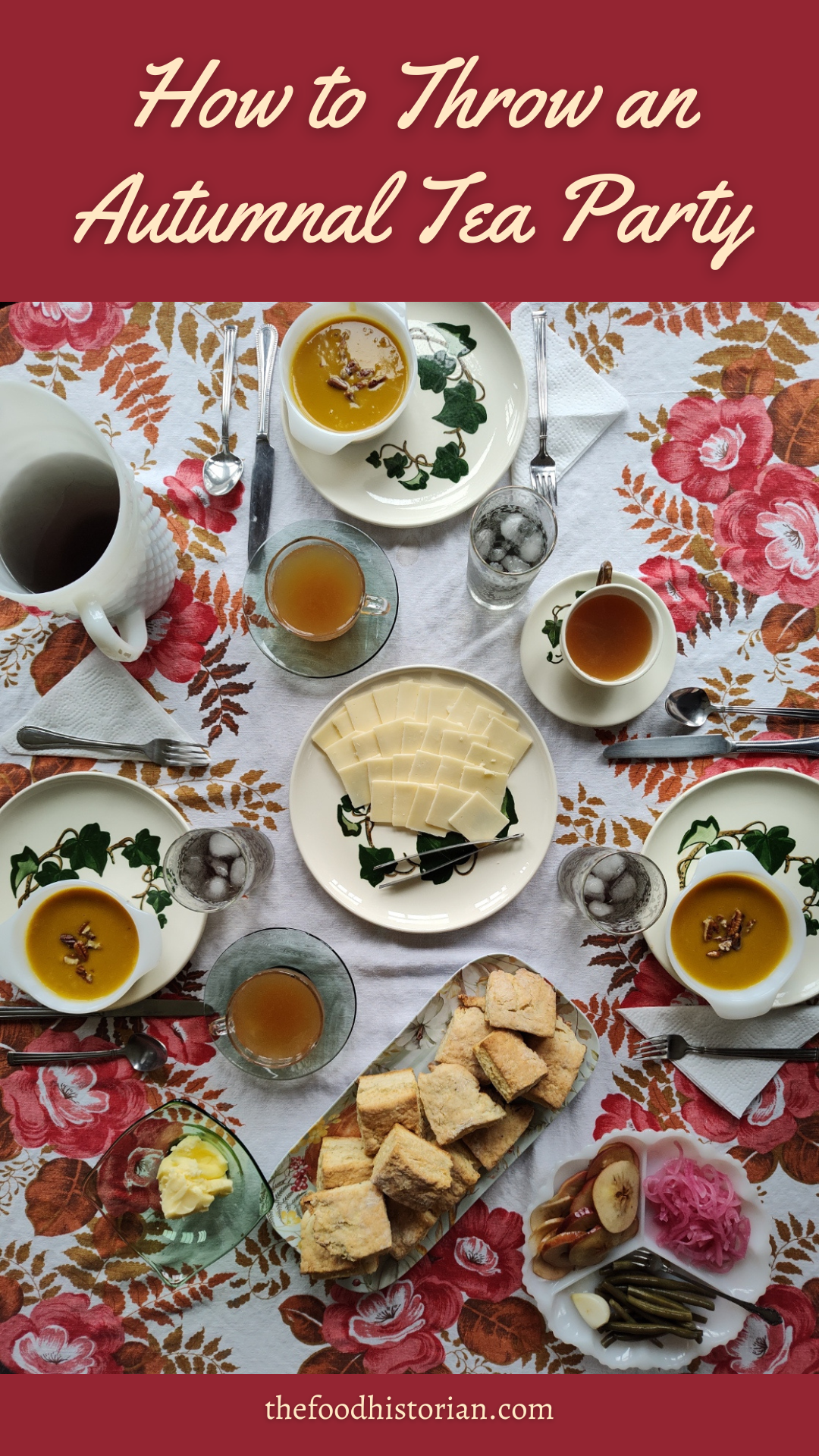
Fruits of August Tea Party It's that time of year, when every teacher's thoughts turn to a mixture of excitement and dread. It's also the time of year when my teacher best friend and I have only a few weeks left before our schedules no longer line up, so I thought it was high time to have another tea party. This year has been busy, and I've been focusing on my book, but I thought it would be fun to carve out some time for a pretty tea party and accompanying blog posts. So, dear reader, here is my beautiful little Fruits of August Tea Party, celebrating the liminal space between summer and fall, when garden produce is abundant, and the weather still hot, but the leaves are starting to turn to gold and fall. When I first conceived of this idea, I knew I wanted to use my new Hazel Atlas Moroccan Amethyst dishes I picked up for a song at a thrift store months ago, featuring a set of four each of teacups and saucers, fruit bowls, and luncheon plates. They do also make dinner plates in this pattern, so now I'm on the hunt for four to make up the set! The beautiful octagon shape of the set was produced in the 1960s and has a distinct mid-century modern vibe, even though I always associate the colorful glass with the 1930s. The translucent glass is a plummy purple with a hint of red in it, rather than a more royal purple. To me it said plums and blackberries, so both feature in the menu. I also knew I wanted to use summer squash and tomatoes, and if we went with a purple and gold theme, who could resist purple potatoes and peaches, too? Fruits of August Tea Party Menu Summer Squash and Corn Frittata Adapted from the Yellow Corn and Squash Frittata recipe in Lois Burpee's Gardener's Companion and Cookbook (1968) Crispy Smashed Potatoes with Smoky Tomato Salsa Fruits of August Salad With blueberries, raspberries, blackberries, and local black plums Blackberry Cornmeal Scones with Honey Butter Adapted from Dorie Greenspan Zucchini Cake with Plums Adapted from the Zucchini Loaf recipe in Savoring the Seasons of the Northern Heartland (1994) and featuring local Italian prune plums ​ Peach Pie My teacher friend is learning to make pie and made this delicious one with almond spice crumble! Peach Raspberry Tea We combined Harney & Son's Raspberry and Bigelow's Perfectly Peach teas in one pot This tea party came together fairly easily. I shopped at a local farmstand and got locally produced zucchini, yellow squash, Italian prune plums, little purple plums, and yellow and red cherry tomatoes. I picked up some scallions, blueberries and raspberries, and purple potatoes at a local grocery store. I forgot to get fresh sweet corn, which affected the frittata - the only recipe fail in the lot, which I'll explain below. Stay tuned for the rest of the recipes this week. Recipe Fail: Yellow Squash & Corn Frittata (1968) When bringing this tea party together, my friend complimented me for my fearlessness in adapting recipes I've never tried before, but as she soon found out, the adaptations don't always work. That was the case with this recipe, which I had high hopes for. Beautifully illustrated black and white cover pages of "Lois Burpee's Gardeners' Companion and Cookbook." I am sadly missing the beautiful watercolor dust jacket to this book. I had gone looking in my cookbook collection for recipes using common late summer fruits and vegetables, and picked up Lois Burpee's Gardener's Companion and Cookbook, published in 1968. Burpee was born Lois Torrance in 1912 in Palestine, the daughter of a Scottish doctor and a Connecticut mother. During the First World War she was evacuated from Palestine to Glasgow Scotland, and endured the privations of WWI rationing. When her family returned to Palestine in 1919, she was shocked at the strong flavors, and the prevalence of vegetable dishes. Her father died in 1924, and the family moved to her grandparents' Connecticut farm, where fresh vegetables played a daily role in mealtimes. She studied botany in college, and landed a job with the W. H. Burpee seed company. Apparently David Burpee was smitten with the young scientist, and in 1938 they married. Lois' experimentations in the family vegetable garden and the kitchen soon began to influence the seed catalog, as varieties whose selling points were flavor more than looks began to be described as such, at her direction. Her cookbook and gardening advice book is chatty and a fun read. It includes advice on everything from garden size to which herbs go well with which vegetables, and Lois' favorite tools. The recipes are organized by growing season and ingredient. I thought the "Yellow Corn and Squash Frittata" recipe seemed simple enough and would be both seasonal and colorful. Here's Lois' original recipe: The recipe as printed in Lois' cookbook. Yellow Corn and Squash Frittata This is a basic recipe that can be varied with the addition of other flavors from the garden. I prefer it made with crookneck squash or yellow zucchini. It makes a nice luncheon dish for two or three people. It is like a firm omelet. 2 tablespoons flour 1/4 teaspoon salt 1/4 teaspoon baking powder 2 large eggs, beaten 1 summer squash (5-6 inches long) coarsely grated 1 cup scraped corn 1 1/2 tablespoons butter, melted Mix flour, salt, and baking powder together, then mix with eggs, squash, corn, and 1 tablespoon melted butter. Heat 1/2 tablespoon butter in a heavy 8-inch fry pan. Add mixture and cook, covered, over medium-low heat for 15-20 minutes. You can also bake the mix in a buttered casserole. Cook, uncovered, in a 325 F oven for about 20 minutes or until firm. The finished frittata - at least it looked pretty! The recipe seemed easy enough - grated yellow squash with "scraped" corn held together with a little flour, butter, and eggs. But I made several crucial errors with this recipe; first, I did not use fresh sweet corn, because I forgot to buy some, but made do with frozen which I ran through my crank grater to mimic "scraped" fresh sweet corn. Second, I did not follow the original cooking instructions, but rather the suggested alternate, which was to bake. Finally, my gut said to add another egg, more salt, and to cook it at a higher temperature, but I ignored my gut and followed the recipe. Which was a mistake. Because I already had the oven going for cake and scones and roasting potatoes, I figured I might as well bake the frittata, too! So I buttered a 10-inch pie plate well and followed the baking instructions of 20 minutes at 325 F, figuring that a thinner mixture would bake faster. But that was a mistake. 325 was too low and after 20 minutes the frittata was still raw. Even after 30 minutes it wasn't fully cooked in the center. Lois, you seem awesome, but your baking recommendations suck. Next time I'll follow both my gut and your stovetop instructions. If I were to make this again, I would use fresh corn, try frying the mixture in a skillet, and also add an extra egg. I might also try skipping the flour and baking powder, but more experimentation is in order, methinks. I did add some chopped scallions, since I had them on hand and I thought the eggs and squash would be too bland. I also think the recipe could have used a little more salt, some pepper, and maybe some other herbs. Lois Burpee apparently liked to emphasize the "pure" taste of vegetables, but while my husband and friend thought the frittata was decent enough, and even had seconds, it was not for me. Have you ever had a recipe that seemed simple, but ended up being a bust? Let me know in the comments! And stay tuned for the other recipes, which unlike this one turned out fabulously. I'll link them back to this page once they're live. ​Until next time, dear reader! Sad frittata livened up with crispy potatoes and smoky tomato "salsa," on my pretty Moroccan amethyst luncheon plate. https://www.thefoodhistorian.com/blog/fruits-of-august-tea-party

FoodHistory
FoodHistory 21d

Special Postbag Edition #7 It’s time for the now traditional end-of-season postbag episode of The British Food History Podcast, where I (attempt to) answer your questions, read out your comments and mull over your queries. The podcast is available on all podcast apps, but you can stream it via this Spotify embed: I’ll be disappearing for a few months, unless of course, you are a monthly subscriber, where there will be a bonus episode coming up for you to listen to via the secret podcast. Season 10 of the podcast is sponsored by Netherton Foundry, makers of high-quality kitchen and outdoor cookware. Netherton Foundry ships to several countries outside of the UK, including the USA and Canada. Visit www.netherton-foundry.co.uk to find out more about their wonderful products – approved not just by me but by folk such as Tom Parker-Bowles, Diana Henry and Nigella Lawson. If you can, support the podcast and blogs by becoming a ÂŁ3 monthly subscriber, and unlock lots of premium content, including bonus blog posts and recipes, access to the easter eggs and the secret podcast, or treat me to a one-off virtual pint or coffee: click here. Things mentioned in today’s episode Ludlow Food Festival 2026 Serve it Forth mailing list Serve it Forth Eventbrite page Brecon Agricultural Show Mamgu Welsh cakes English Food by Jane Grigson CafĂŠ Erol Ivor Cutler’s Life in a Scotch Sitting Room Vol.2 ep.6 Ivor’s obituary The Feasts of Autolycus, by Elizabeth Robins Pennell Comfortably Hungry: Bleeding Cows & Black Puddings The Great Cream Tea Debate on my YouTube channel The English Housewife by Gervase Markham Delia Smith’s famous rallying cry Stephanie’s mystery desserts Previous pertinent blog posts To Make Welsh Cakes (Pice ar y maen) Singin’ Hinnies Blood ice cream Scones: A brief history Four Scone Recipes Cornish Splits Pease Bread Syllabubs Previous pertinent podcast episodes Griddle & Bakestone Cookery with Peter Gilchrist & Ross Clarke Eating Out in Georgian London with Peter Ross Retro Foods with Briony May Williams Hogmanay & Hamely Kitchen with Paula McIntyre British Fish & Seafood with CJ Jackson The History of Food Waste & Preservation with Eleanor Barnett Black & White Pudding with Matthew Cockin & Grant Harper A History of Baking with Sam Bilton & Neil Buttery Spices with Ian Anderson Historical Cookery with Jay Reifel 50 years of ‘English Food’ by Jane Grigson with Sam Bilton, Ivan Day, Annie Gray & Jill Norman Breakfast with Felicity Cloake Special Postbag Edition #6 18th Century Dining with Ivan Day Eel Special 1: Elvers with ‘Elver’ Dave Medieval Meals & Manners with Danielle Cybulskie Shakespearean Food & Drink with Sam Bilton Lent episode 1: Preparing for Lent C is for Caudle, Cider & Cappuccino Don’t forget, there will be more postbag episodes in the future, so if you have any questions or queries about today’s episode, or indeed any episode, or have a question about the history of British food please email me at [email protected], or leave a comment here. https://britishfoodhistory.com/2026/08/01/special-postbag-edition-7/

FoodHistory
FoodHistory 21d

‘The Feasts of Autolycus: The Diary of a Greedy Woman’ with Sam Bilton (premium content) Welcome to this special bonus episode of The British Food History Podcast. I always make an extra episode for my monthly £3 subscribers. I wanted to make an episode where I talk with another food historian about a book. I asked Sam Bilton and she chose The Feasts of Autolycus: The Diary of a Greedy Woman by Elizabeth Robins Pennell (1899). An author I was not familiar with – and I really enjoyed reading the book and having this discussion. We talk about Elizabeth Robins Pennell and how Sam discovered her, the expectations of women and greediness in the late Victorian period, food and morality, Camp coffee, stirring savouries, magnificent mushrooms, and kidneys – lots and lots of kidneys. Subscribe to get access Read more of this content when you subscribe today and unlock lots of premium content, including the secret podcast, bonus blog posts and recipes, my Easter eggs and a monthly newsletter. Please click here for more information. SubscribeSubmitting form Log in https://britishfoodhistory.com/2026/08/13/the-feasts-of-autolycus-the-diary-of-a-greedy-woman-with-sam-bilton-premium-content/ https://0.gravatar.com/avatar/cee58c87d0edeb45438cf303185676cb5759a8798acbb603325e24518b66edcc?s=96&d=identicon&r=G

FoodHistory
FoodHistory 21d

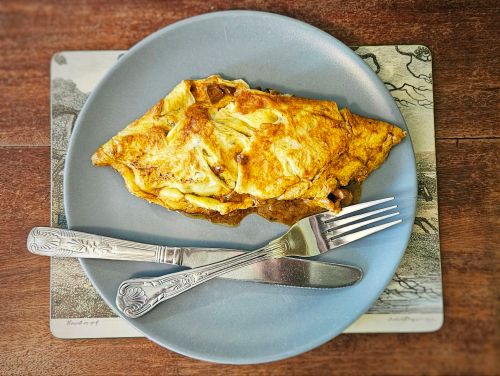
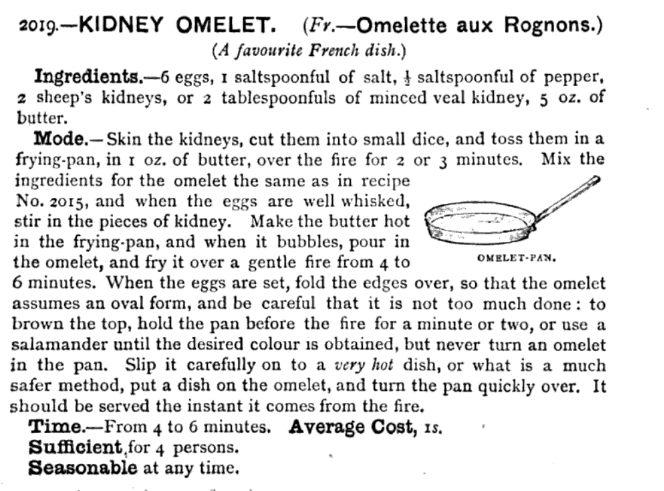
Kidney Omelette (Omelette aux Rognons) As promised on the bonus episode of The Secret British Food History Podcast with Sam Bilton discussing Elizabeth Robins Purnell’s collection of essays, The Feasts of Autolycus: The Diary of a Greedy Woman, here is a recipe for a kidney omelette, or omelette aux rognons. Subscribe to get access Read more of this content when you subscribe today and unlock lots of premium content, including the secret podcast, bonus blog posts (such as this one) and recipes, my Easter eggs and a monthly newsletter. Please click here for more information. SubscribeSubmitting form Log in https://britishfoodhistory.com/2026/08/16/kidney-omelette-omelette-aux-rognons/ https://0.gravatar.com/avatar/cee58c87d0edeb45438cf303185676cb5759a8798acbb603325e24518b66edcc?s=96&d=identicon&r=G

FoodHistory
FoodHistory 21d

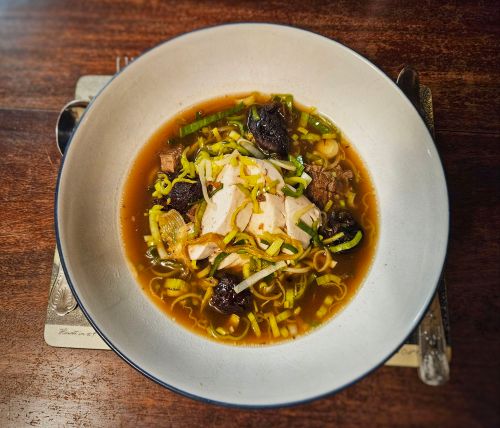
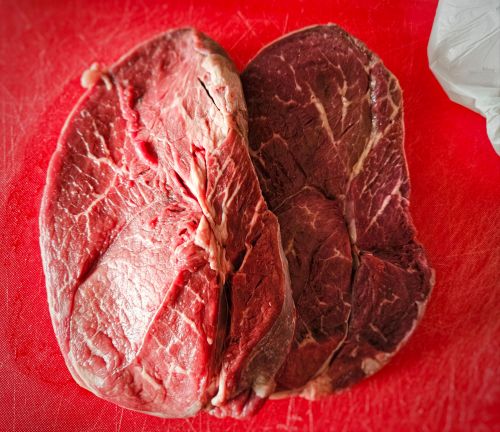
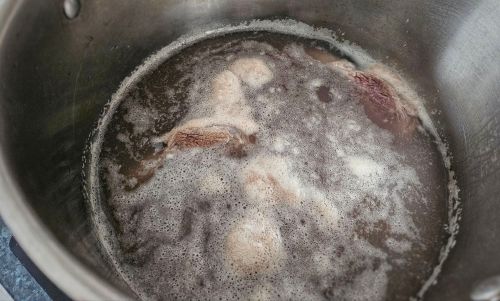
Cock-a-leekie Conjure up an image of a bowl of cock-a-leekie soup; what pops into your mind? Are you thinking of an umami-rich broth of chicken, leek and beef, enriched with unctuous prunes, or a watery can of Baxter’s with soggy leeks and a suggestion of chicken? If I were asked this as a child, it would be the latter, but today I am glad to say that it is the former! Cock-a-leekie is one of the best of the world’s chicken soups. Actually, it might be the best – made properly. It’s a cornerstone not only of Scottish cuisine but also of the rest of Britain; recipes for cockie-leekie crop up in both English and Welsh cookery books. The traditional recipe used a cockerel or boiling fowl; a tough bird with lots of flavour, lots of leeks and usually some beef or beef stock. Today, I use a well-flavoured oven-ready free-range chicken. Recipes vary to some degree, but many include prunes – I think they are essential, not just for their sweetness but also the viscosity they give to the broth itself. Meg Dods used shin of beef and uses lots of trimmed leeks: ‘The soup must be very thick of leeks…boiled down into the soup till it becomes a green lubricous compound.’ She considered the practice of adding prunes an ‘obsolete’ one.[1] In The Scot’s Kitchen (1968), F. Marian McNeill uses beef or veal stock in place of meat. Regarding prunes, she approves: ‘I am all for the addition of prunes, to be served one in each plate.’[2] Beef is an essential ingredient in cock-a-leekie In England, things go a little awry. For example, in Alexis Soyer’s A Shilling Cookery for the People (1855), there is a recipe for ‘New Cock-a-Leekie’. What makes it ‘New’? Well, it contains no chicken. The reason given in the book, written in the style of two friends corresponding with each other, was that ‘I found I had all that was required, barring the bird’. It ‘deceived not only my husband, but my friend from the other side of the Tweed.’[3] The cock-a-leekie that appears in the 1883 edition of Cassell’s dictionary of cookery is very delicate: chicken and leeks poached in white (veal) stock with rice,[4] which seems more like invalid food rather than a hearty meal. On the subject of this wonderful soup, Dorothy Hartley wrote that the Scots have kept this fine old soup unchanged through the centuries. (I don’t like to think what would happen to any foreigner who tried to tamper with Cockaleekie.)’[5] She had obviously never read Soyer or Cassell! To find out more about Alexis Soyer and his writings, check out this episode of the podcast with Dr Lindsay Middleton on this very subject. I have adapted my recipe from Jane Grigson’s English Food (1993). I have cooked it many times, both at home and professionally. It is very simple but requires good quality ingredients (including plenty of prunes). There are disagreements regarding how one should serve cock-a-leekie. Again, I go with Jane’s advice: The correct way of serving cockie-leekie is to put a slice of beef, a bit of chicken, some prunes, leeks and soup into each bowl.[6] If you can, support the podcast and blogs by becoming a £3 monthly subscriber, and unlock lots of premium content, including bonus blog posts and recipes, access to the easter eggs and the secret podcast, or treat me to a one-off virtual pint or coffee: click here. Recipe This recipe makes a huge amount of soup. Any leftover soup is even more delicious heated up the next day or the day after that, and it freezes very well. The amount of salt added may appear startling, but remember that we are adding plain water, not stock, so it really does need it. Trust me. Served with a couple of slices of well-buttered wholemeal bread, this is a complete meal. Ingredients 1 kg braising steak 3 litres water 4 tsp salt 1 medium-sized chicken 6 good-sized leeks, trimmed 500 g stoned prunes Freshly ground black pepper Place the braising steak in the bottom of a stockpot, pour in the water and add two teaspoons of the salt. Cover, set the heat to medium and allow it to come to a bare simmer. The slower you do this the better. As it reaches simmering point, some grey and unappetising scum might float to the top. It is normal for this to happen; simply skim it off with a spoon or drainer. Turn the heat down so that the meat simmers gently for one hour. There is always a little scum to skim Meanwhile, take the chicken out of the fridge (if you haven’t done already). Prepare the leeks by trimming away any tatty pieces of green, then split them lengthways around halfway down and rinse them under the cold tap, then leave them to drain upturned in the sink. Once they have drained for around 20 minutes take half of the leeks and tie them together with a piece of string. When the hour is up, add them, the chicken and the prunes, the rest of the salt and a good few turns of the pepper mill. Left: the split leeks; right: the leeks and chicken adding depth to the broth Cover, bring the water back to a simmer and cook gently for another hour. Meanwhile, slice the remaining leeks very thinly. When the second hour is up, remove the leeks (all of their flavour will now be in the stock), taste and check the seasoning – you may need a little more salt. Add the thinly sliced leeks and simmer for 5 minutes only – you want them to remain a little crisp. Left: thinly slicing the leeks; right: the delicious stock after cooking Now serve the soup: gingerly fish out the chicken and carve it. It’s important to leave it for a good 15 minutes, covered, so it can cool a little bit before you attempt this. Inspect the chicken carcass for any other decent meaty bits. Then fish out the beef and cut that into good-sized pieces. You can return the prepared meat to the soup and have everyone help themselves, or arrange some pieces of carved meat at the bottom of several soup bowls and then ladle the soup over them. Notes [1] Dods, M. (1847) The Cook and Houswife’s Manual. 8th ed. Oliver & Boyd. Alan Davidson was of the opinion that the soup may have its origins in the Middle Ages as a soup of chicken, onions and raisins. Davidson, A. (1999) The Oxford Companion to Food. Oxford University Press. [2] McNeill, F.M. (1968) The Scots Kitchen: Its Lore & Recipes. 2nd ed. Blackie & Son Limited. [3] Soyer, A. (1855) A Shilling Cookery for the People: Embracing an Entirely New System of Plain Cookery and Domestic Economy. Geo. Routl. Geo. Routledge & Co. [4] Cassell (1883) Cassell’s dictionary of cookery. Cassell, Petter, Galpin & Co. [5] Hartley, D. (1954) Food in England. Little, Brown & Company. [6] Grigson, J. (1992) English Food. Third Edit. Penguin. https://britishfoodhistory.com/2026/09/30/cockie-leekie/

FoodHistory
FoodHistory 21d

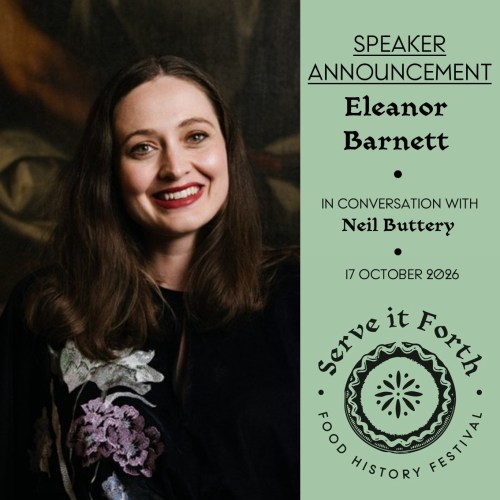
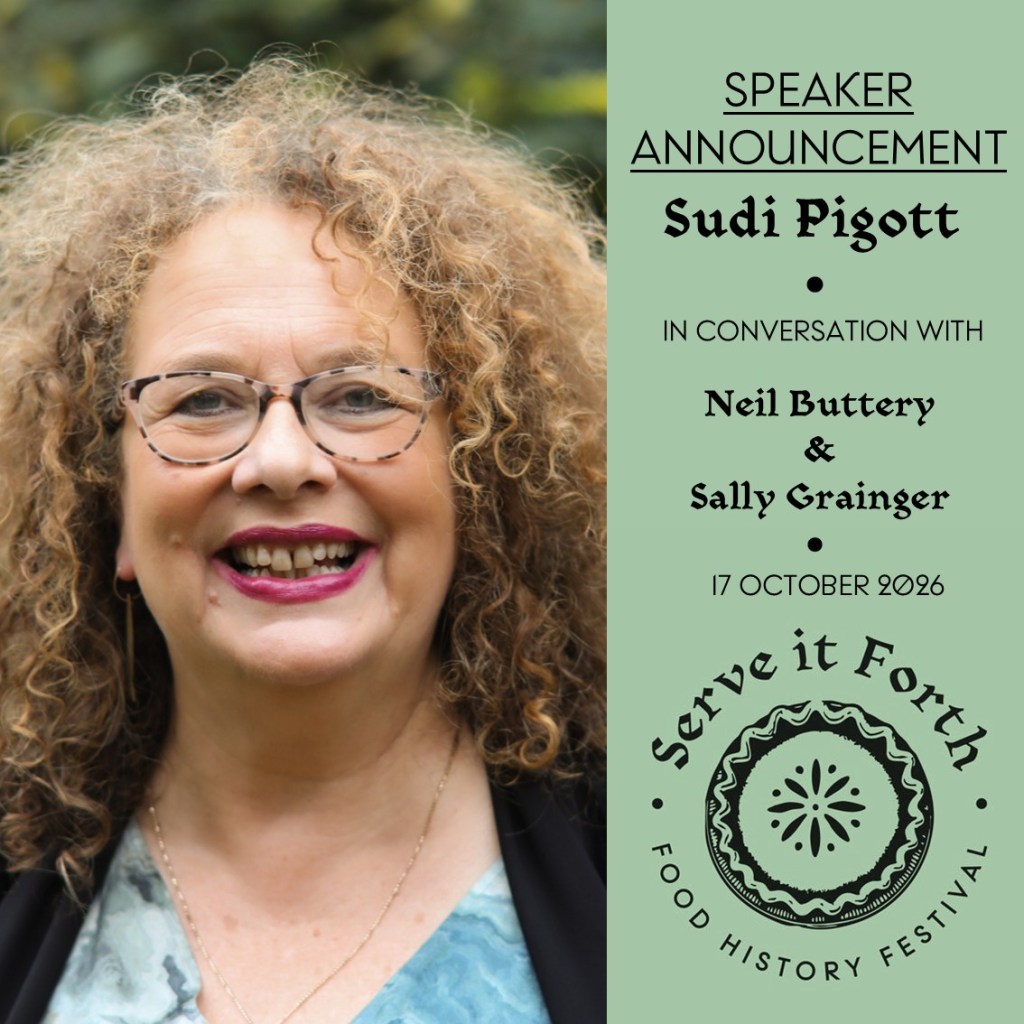
Serve it Forth online festival: 1 week to go! Hello everyone. Serve it Forth Food History Festival 2026 is almost upon us, and I’m getting pretty excited about it. If you haven’t got your ticket for Saturday 17th October (10.30am to 4.30pm), don’t forget! I am leading two sessions this year: the first of the day in discussion with Eleanor Barnett about her journey in food history via art history, and I’m ending the day in discussion with Sally Grainger and Sudi Piggot. The topic: The anchovy in the UK. Tickets are £12 plus Eventbrite booking fee. Get your Serve it Forth 2026 tickets here Serve it Forth website A big thank you to everyone who has already bought a ticket. It’s going to be a really fun and interesting day. Thanks also to our sponsors as well: The History Press, CKBK, Steenberg’s, Replica, Regency Fiction Writers, Blackfriars and Lindisfarne Mead. Here’s a breakdown of the day. Click on the links to see more information about the session. 10.30-10.35am: Welcome 10.35-11.15am: Amuse Bouche with Neil Buttery Becoming a Food Historian with Dr Eleanor Barnett 11.15-12.15am: First Course with Sam Bilton How did the Normans change the way we eat? Special guests: Professor Giles Gasper and Jennie Hood 12.15-12.45pm: Lunch – Time to refuel! Why not check out some of the recipes from last year for inspiration? 12.45-1.45pm: Second Course with Thomas Ntinas Exploring the diets of athletes and gladiators in the Ancient world Special guest: Alexandra Sills 1.45-2.00pm: Short Break Time to grab a cup of tea or coffee. 2.00-3.00pm: Third Course with Dr Alessandra Pino Food on the move: travel and dining in the Regency Special guest: Paul Couchman 3.00-3.15pm: Short Break Time to grab a cup of tea or coffee! (or a cocktail – we won’t judge you!) 3.15-4.15pm: Fourth Course with Dr Neil Buttery Anchovy in the UK: The history of the anchovy in Britain and beyond​ Special guests: Sally Grainger and Sudie Pigott 4.15-4.30pm: Closing Remarks Farewell for now! https://britishfoodhistory.com/2026/10/10/serve-it-forth-online-festival-1-week-to-go/

Welcome to FoodHistory spacestr profile!

About Me

Food history, surprising origins, and recipes with a past. Automated RSS; source content belongs to its owners. Unofficial fan feed; not affiliated with source publishers.

Interests

  • No interests listed.

Videos

Music

My store is coming soon!

Friends