Telling the Bees
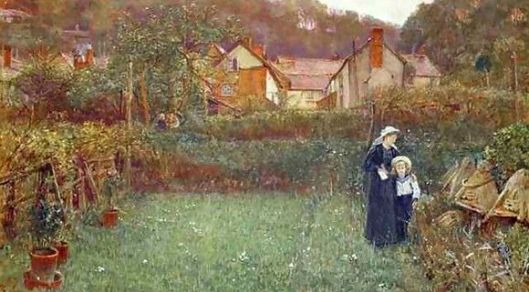
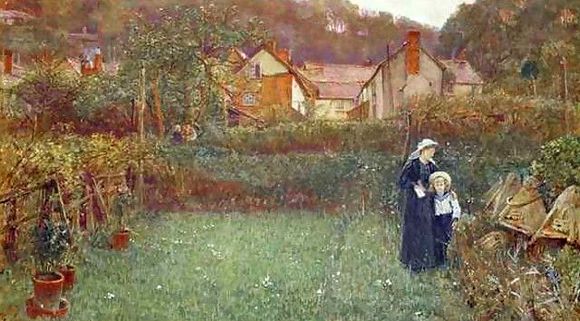
Charles Napier Hemy (1841-1917) – Telling the Bees
Telling the Bees
The telling of the bees is a traditional English custom, in which bees would be told of important events in their keeper’s lives, such as births, marriages, or departures and returns in the household. The bees were most commonly told of deaths in their master’s family.
To inform the bees of a death their hive might be hung with a black cloth, while a “doleful tune” is sung. Another method of “telling the bees” would be for their master to approach the hive and knock gently upon it. The house key might also be used to knock on the hive. When the master of the house had the attention of the bees they would tell the bees the name of the person that had died.
Food and drink from a beekeeper’s funeral would also be left by the hive for the bees, including the funeral biscuits and wine. The hive would also be lifted a few inches and put down again at the same time as the coffin. The hive might also be rotated to face the funeral procession, and draped with mourning cloth.
A section from John Greenleaf Whittier‘s poem “Home Ballads” describes the practice:
Before them, under the garden wall,
Forward and back
Went, drearily singing, the chore-girl small,
Draping each hive with a shred of black.
Trembling, I listened; the summer sun
Had the chill of snow;
For I knew she was telling the bees of one
Gone on the journey we all must go!
“Stay at home, pretty bees, fly not hence!
Mistress Mary is dead and gone!”
Source and to read more: http://en.m.wikipedia.org/wiki/Telling_the_bees
Video animation of John Greenleaf Whittier via YouTube posted by poetryreincarnations
Video of Holland beekeeper telling the bees via Youtube posted by Historical Honeybee Articles
https://beekeeping365.com/2026/10/30/telling-the-bees-2/
https://2.gravatar.com/avatar/2714f997d3f45110f7ab9d807731cd14d4a507a0fd09adb3f8d66db161abf679?s=96&d=identicon&r=G
#bees #beestelling #napierhemy #greenleafwhittier #johngreenleaf #charlesnapier #home #gone #youtube
#rss #feeds #linksharing #qwibbit
Beekeeping Vocabulary – “U” is for…
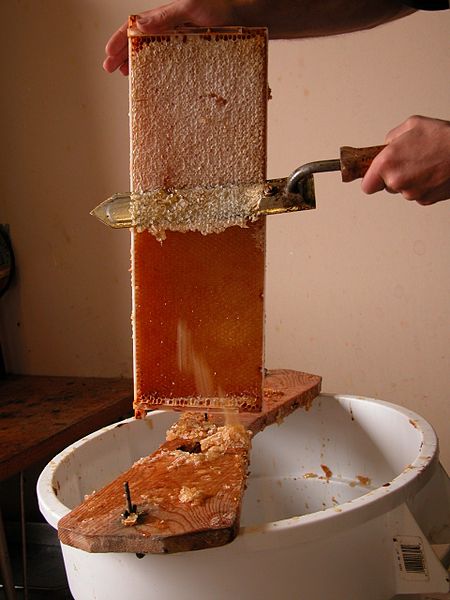
Above: Uncapping with an electric hot knife on an uncapping tub by Ben pcc
Today’s beekeeping vocabulary word is, “Uncapping Knife.”
From Wikipedia:
The first step in the extraction process is to break or remove all of the cappings. This may be accomplished using an automated uncapper machine or with a manually-operated uncapping knife. Usually, these tools are used together, along with a pronged cappings fork. To facilitate cutting off these wax cappings, the knife is often heated. The removed bits of wax, called cappings, are rich in honey which can be slowly drained off with the help of some heating. This ‘cappings wax’ is very valuable and often used to make candles or other products. Automated uncapping machines normally work by abrading the surface of the wax with moving chains or bristles or hot knives. This, while messy, makes the process easier than doing this task manually.
Source and to read more: Wikipedia
https://beekeeping365.com/2026/10/29/beekeeping-vocabulary-u-is-for/
https://2.gravatar.com/avatar/2714f997d3f45110f7ab9d807731cd14d4a507a0fd09adb3f8d66db161abf679?s=96&d=identicon&r=G
#beekeepingvocabulary #uncapping #knife #wikipedia #automated #usually
#rss #feeds #linksharing #qwibbit
The Bee-Boys Song by Rudyard Kipling
Rudyard Kipling
The Bee-Boy’s Song
" 'Dymchurch Flit' " -- Puck of Pook's Hill.
Bees! Bees! Hark to your bees!
"Hide from your neigbours as much as you please,
But all that has happened, to us you must tell,
Or else we will give you no honey to sell!"
A maiden in her glory,
Upon her wedding - day,
Must tell her Bees the story,
Or else they'll fly away.
Fly away -- die away --
Dwindle down and leave you!
But if you don't deceive your Bees,
Your Bees will not deceive you.
Marriage, birth or buryin',
News across the seas,
All you're sad or merry in,
You must tell the Bees.
Tell 'em coming in an' out,
Where the Fanners fan,
'Cause the Bees are just about
As curious as a man!
Don't you wait where the trees are,
When the lightnings play,
Nor don't you hate where Bees are,
Or else they'll pine away.
Pine away -- dwine away --
Anything to leave you!
But if you never grieve your Bees,
Your Bees'll never grieve you.
https://beekeeping365.com/2026/10/28/the-bee-boys-song-by-rudyard-kipling/
https://2.gravatar.com/avatar/2714f997d3f45110f7ab9d807731cd14d4a507a0fd09adb3f8d66db161abf679?s=96&d=identicon&r=G
#rudyardkipling #bees #song #dymchurchflit #tell #hill #puck #fly #hide #dwindle
#rss #feeds #linksharing #qwibbit
#rudyardkipling
#bees
#song
#dymchurchflit
#tell
Beekeeping365 (Unofficial)3d
You’re the Expert. Yes, You.
Here’s something nobody tells you when you start keeping bees: at some point, without a ceremony or a certificate, you became the expert. Yep, you!
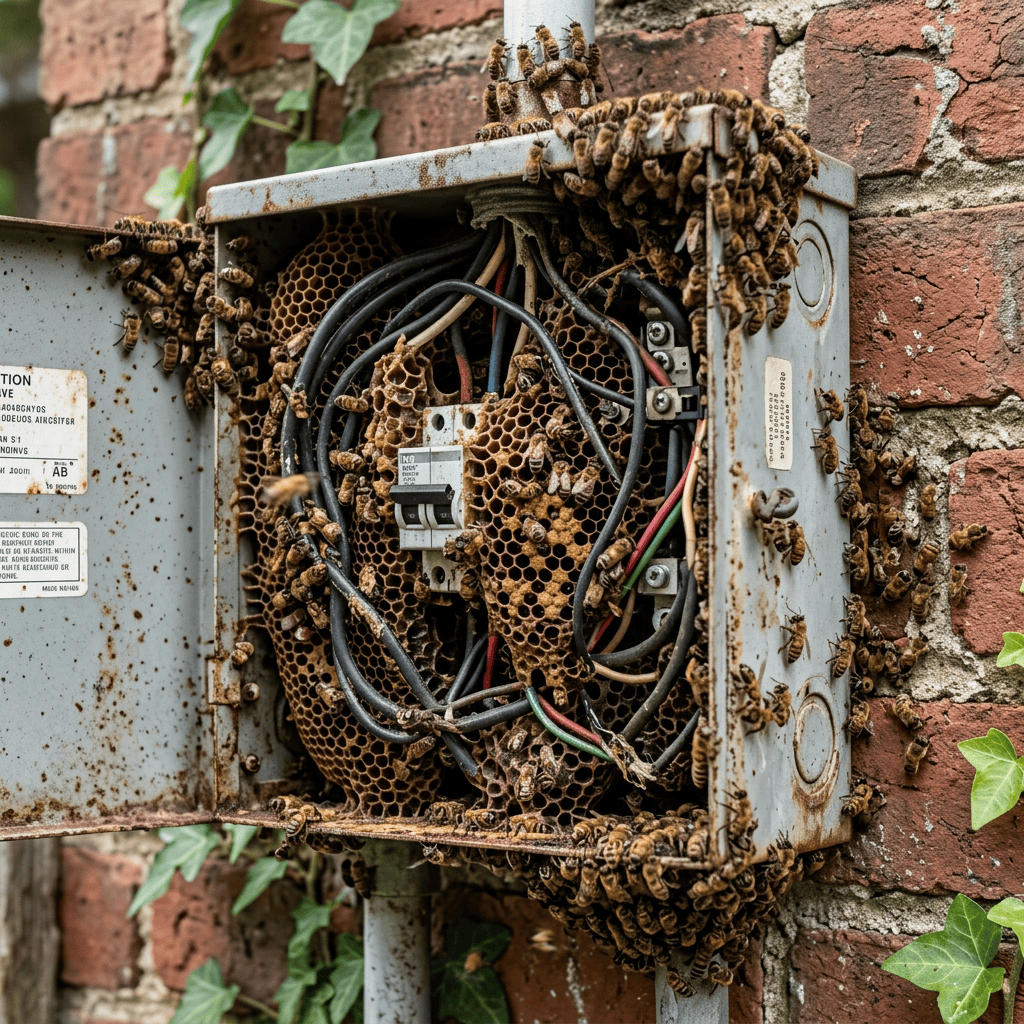
Situations will come up, and you’ll be the one making the call. A friend or family member will ask whether you’d put a hive in their front yard, right out by the sidewalk. A neighbor will mention that a colony has been living in the electrical box for three years and wonder if you’d mind coming over to take care of it. Those are two of the hundreds of questions and requests headed your way now. Why? Because you’re the expert. You’re the beekeeper!
When something doesn’t feel right, or it goes against what you were taught, you’re allowed to say, “No, thank you.” You can offer a reason grounded in best practices or in your own judgment as a beekeeper. You can say, “That’s not something I’ve been trained to do yet,” or, “That’s not why I got into beekeeping.” All of those are honest, respectable answers.
Remember, you’re the expert now. Others may want this or that and expect you to pull a rabbit out of a hat, or honey out of a feral hive. In the end, though, you’re the one who can make the best beekeeping decision. They are laypeople. You are the beekeeper.
So go ahead and have fun with it. Do fun stuff with your bees. Enjoy yourself. Push your limits. Learn new and exciting things. But if your gut says “no,” then say no. That may be the best beekeeping decision you make all year.
https://beekeeping365.com/2026/10/27/youre-the-expert-yes-you/
https://2.gravatar.com/avatar/2714f997d3f45110f7ab9d807731cd14d4a507a0fd09adb3f8d66db161abf679?s=96&d=identicon&r=G
#yes
#rss #feeds #linksharing #qwibbit
#yes
#rss
#feeds
#linksharing
#qwibbit
Beekeeping365 (Unofficial)4d
The Bees do Most of the Work
On presenting honey for judging:
Who are we except packers of the bees’ hard work? I don’t select the flowers to visit. Nor do I cure the nectar into honey; nor combat pests or robbers. I do nothing as a member of their society. Aside from caring for the bees to enable them to do their work as they choose, I am merely the packer of their efforts. And so, I will do it with reverence and effort respectful of the work they gave to me. If that effort results in a ribbon then I’ve done my job to take what they gave and present it to others at its best. Yes, it’s fluff and not reflective of the best beekeeper out there. It’s extra for those that look for yet another activity related to their beekeeping. Hopefully my effort sparks some interest in others to look at the miracle the bees provide.
https://beekeeping365.com/2026/10/26/the-bees-do-most-of-the-work/
https://2.gravatar.com/avatar/2714f997d3f45110f7ab9d807731cd14d4a507a0fd09adb3f8d66db161abf679?s=96&d=identicon&r=G
#work #bees #nor
#rss #feeds #linksharing #qwibbit
#work
#bees
#nor
#rss
#feeds
Beekeeping365 (Unofficial)5d
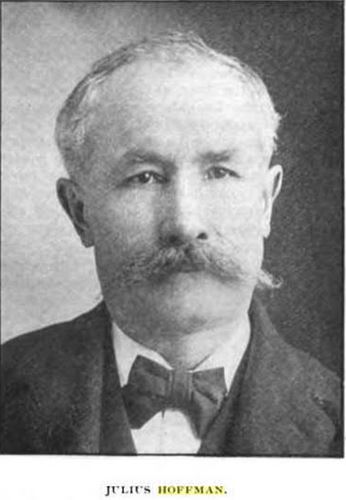
Happy Birthday Julius Hoffman
Julius Robert Hoffman was born October 25th, 1838 at Grottkau in Silesia which was then part of Prussia. Today, Grottkau is Grodkow, in Poland. As a boy, he lived near Johannes Dzierzon so was able to learn beekeeping from him. In 1862, 24-year-old Julius emigrated to London and four years later moved to New York where he was employed in the organ and piano business, while still keeping a few hives.
In 1873 he moved to Fort Plain in upstate New York to become a serious beekeeper, building up his apiary to some 700 colonies in the Canajoharie area of New York, where the dairy farms were plentiful and grew much alfalfa.
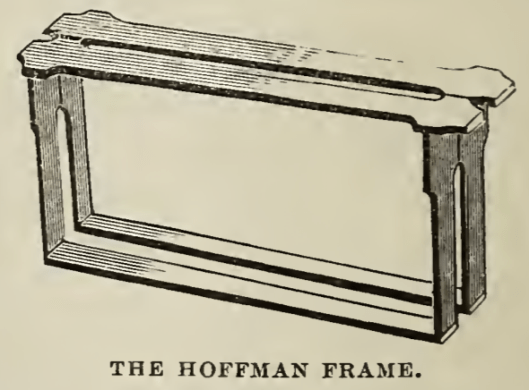
Until Hoffman devised his self-spacing frame, frames were spaced by eye, if at all, or by a range of often not very practical systems. This did not matter before motor transport existed as beekeepers did not move their hives. Large-scale beekeepers used a number of permanent apiaries with on-site or horse-drawn extracting equipment.
Julius Hoffman devised a frame side bar that was wider in its upper third to give the correct inter-comb spacing. The width of the side bar is reduced in its lower two thirds to allow bees to circulate round their combs. The end bars of the ‘close end’ Quinby frame were the full depth of the frame so it did not permit bee circulation and could easily be glued firmly in place by propolis.
When Al Root visited the Hoffman apiary in 1890 he saw the advantage of this frame at once and, by 1896, was using the Hoffman frame in all his apiaries.
Julius Hoffman died May 1, 1907 in Montgomery, New York, United States.
Text (edited) from: Bee Craft
https://beekeeping365.com/2026/10/25/happy-birthday-julius-hoffman-2/
https://2.gravatar.com/avatar/2714f997d3f45110f7ab9d807731cd14d4a507a0fd09adb3f8d66db161abf679?s=96&d=identicon&r=G
#juliushoffman #newyork #juliusrobert #grottkau #johannesdzierzon #fortplain #unitedstates #bee #october #prussia
#rss #feeds #linksharing #qwibbit
A pint is a pound the world around…
How many of us learned in grade school the phrase: “A pint is a pound the world around.”
This, unfortunately, is simply not true.
Note that a pint is 16 ounces of volume, while a pound is 16 ounces of weight.
If you’re measuring water the number of ounces in volume is similar to the number of ounces in weight. This may be where the phrase comes from. But it isn’t true for most other substances. Ex. a pint of gold would not be one pound.
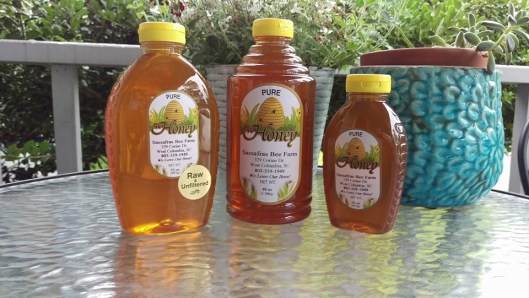
In beekeeping a pint of honey is not a pound. Depending on the density (thickness) of the honey, a pint (volume) of honey actually will weigh approximately 22oz. (One pound, 6 ounces).
Exactly why is this important? Because, at least here in the US honey is typically sold by weight rather than volume. So, if you purchase a pint jar filled with honey it will say 1lb.6oz. If you purchase a 1 pound jar the jar will read 16 ounces but by volume you will be purchasing approximately 12 ounces.
https://beekeeping365.com/2026/10/24/a-pint-is-a-pound-the-world-around/
https://2.gravatar.com/avatar/2714f997d3f45110f7ab9d807731cd14d4a507a0fd09adb3f8d66db161abf679?s=96&d=identicon&r=G
#pint #pound
#rss #feeds #linksharing #qwibbit
#pint
#pound
#rss
#feeds
#linksharing
Beekeeping365 (Unofficial)7d
The Man Who Never Hurried
Every theory about D. B. Cooper starts from the same assumption: that a man who could do this was a soldier, a paratrooper, a gambler. They study the skill of the jump. No one has studied the skill of the stillness.
Consider the man in seat 18C on the day before Thanksgiving, 1971. He orders a bourbon and soda, pays for it, and tells the flight attendant to keep the change. He announces a bomb in a voice you would use on a nervous horse. Nobody on that plane was calmer than he was. I have known only one kind of person who can be that calm, the kind who opens a hive of forty thousand armed i wearing nothing but a veil. A beekeeper learns early that the bees punish exactly one thing: panic. Everything else, they forgive.
Then there is the smoking. Eight filter-tipped cigarettes, found in the ashtray. He smoked the way a beekeeper smokes, not for pleasure but to keep the room quiet while he worked.
Plate IThe smoker and the ashtray
cool smoke, slow hands
eight filter tips
neither one for pleasure
A bee smoker, and the eight stubs in the ashtray. Smoke for the same reason.
Then there is the suit. Dark, with a tie, and anyone who has kept bees will tell you what that means. Bees despise dark colors. They read them as a bear. No beekeeper would work a colony in a black suit, so the suit was a costume, and it was the one thing about him that wasn’t true. The tie came off before he jumped. It was clip-on, of course, because a man who spends his days around anything that can sting learns not to wear anything that can be grabbed.
Plate IIThe suit
a costume: dark wool reads as a bear
clip-on,
nothing to grab
what he would
have worn
Dark wool and a clip-on tie, hung beside the veil he would have worn.
His demands were practical. Four parachutes, a fuel truck, two hundred thousand dollars in twenties. There was no speech, no cause, nothing ornamental. He ordered like a man who knows what a season costs, who buys by the case and counts the frames. The money came to about twenty pounds. A beekeeper lifts forty-pound boxes all day and knows to the ounce what he can carry into the dark.
Above all there is the date. Late November, in the Pacific Northwest, is the one week of the year when a beekeeper is free. The hives are closed, wrapped, and fitted with mouse guards. The colony has drawn into its winter cluster, a living ball that shivers and turns and keeps its queen at the warm center.
Plate IIIWinter cluster
strapped and wrapped,
mouse guard on
queen
mantle
turns slowly, outside in
The hive shut for winter. Inside, the ball turns and keeps its queen warm.
There is nothing left to do but trust it. The beekeeper leaves the bees alone and goes out into the cold, and that’s exactly what the man did. He stepped off the back of a jet into the rain and the black air, trusting that the thing he had prepared would hold him.
Plate IVThe jump
rain, black air
trusting what he prepared
Rain, black air, and one thing left to trust.
We know the rest, which is to say we know nothing. A child found a few rotted bundles of twenties on a Columbia River bank in 1980. After that, silence.
I like to picture him afterward, in some small house in the wet green country with a few white boxes at the back of the lot. He never sold the honey. He gave it away in jars at Christmas and never spoke of the one day. Each spring he stood at an open hive with the smoke drifting and his hands slow, and the bees did what they always do. They never asked who he had been. They asked only whether he was calm.
Plate VChristmas jars
Spring
Summer
Fall
for
Christmas
He never spoke of the one day.
Given away at Christmas, with no questions asked.
The hijacker of Flight 305 was never identified. The beekeeping is invented.
(function () {
var NS = ‘http://www.w3.org/2000/svg’;
function rng(seed) {
var s = seed | 0;
return function () {
s = (s + 0x6D2B79F5) | 0;
var t = Math.imul(s ^ (s >>> 15), 1 | s);
t = (t + Math.imul(t ^ (t >>> 7), 61 | t)) ^ t;
return ((t ^ (t >>> 14)) >>> 0) / 4294967296;
};
}
function el(name, attrs, parent) {
var e = document.createElementNS(NS, name);
for (var k in attrs) e.setAttribute(k, attrs[k]);
if (parent) parent.appendChild(e);
return e;
}
// Plate III: the winter cluster, a wobbly ball of small bees around the queen
var cluster = document.getElementById(‘p3-cluster’);
if (cluster) {
var r = rng(11), cx = 470, cy = 206, pts = [], N = 64, i, a, rad;
for (i = 0; i < N; i++) {
a = i / N * Math.PI * 2;
rad = 84 + Math.sin(a * 3 + 1) * 4 + (r() – .5) * 4;
pts.push((i ? ‘L’ : ‘M’) + (cx + Math.cos(a) * rad).toFixed(1) + ‘ ‘ + (cy + Math.sin(a) * rad).toFixed(1));
}
el(‘path’, { ‘class’: ‘fp’, d: pts.join(”) + ‘Z’ }, cluster);
[26, 37, 48, 59, 70, 79].forEach(function (ring) {
var n = Math.round(2 * Math.PI * ring / 13), off = r() * 6.28, j, ang, x, y, rot;
for (j = 0; j < n; j++) {
ang = off + j / n * 6.28 + (r() – .5) * .15;
x = cx + Math.cos(ang) * ring + (r() – .5) * 2.5;
y = cy + Math.sin(ang) * ring + (r() – .5) * 2.5;
rot = ang * 180 / Math.PI + 90 + (r() – .5) * 40;
el(‘ellipse’, {
‘class’: ‘beeb’, cx: x.toFixed(1), cy: y.toFixed(1), rx: 5.2, ry: 2.8,
transform: ‘rotate(‘ + rot.toFixed(0) + ‘ ‘ + x.toFixed(1) + ‘ ‘ + y.toFixed(1) + ‘)’
}, cluster);
}
});
}
// Plate IV: rain and firs
var rain = document.getElementById(‘p4-rain’);
if (rain) {
var q = rng(5), d = ”, k, x, y, l;
for (k = 0; k < 95; k++) {
x = q() * 660 – 10; y = q() * 380 + 10; l = 12 + q() * 14;
d += ‘M’ + x.toFixed(0) + ‘ ‘ + y.toFixed(0) + ‘l’ + (-l * .28).toFixed(1) + ‘ ‘ + l.toFixed(1);
}
el(‘path’, { ‘class’: ‘d-soft’, d: d, style: ‘stroke-width:.9;opacity:.65’ }, rain);
}
var trees = document.getElementById(‘p4-trees’);
if (trees) {
var t = rng(9), tx = -4, h, w, b = 414;
while (tx < 650) {
h = 22 + t() * 20; w = 6 + h * .12; tx += 9 + t() * 9;
el(‘path’, {
‘class’: ‘fp’, style: ‘stroke-width:.9’,
d: ‘M’ + (tx – w) + ‘ ‘ + b +
‘L’ + (tx – w * .45) + ‘ ‘ + (b – h * .38) + ‘L’ + (tx – w * .7) + ‘ ‘ + (b – h * .38) +
‘L’ + (tx – w * .3) + ‘ ‘ + (b – h * .68) + ‘L’ + (tx – w * .5) + ‘ ‘ + (b – h * .68) +
‘L’ + tx + ‘ ‘ + (b – h) +
‘L’ + (tx + w * .5) + ‘ ‘ + (b – h * .68) + ‘L’ + (tx + w * .3) + ‘ ‘ + (b – h * .68) +
‘L’ + (tx + w * .7) + ‘ ‘ + (b – h * .38) + ‘L’ + (tx + w * .45) + ‘ ‘ + (b – h * .38) +
‘L’ + (tx + w) + ‘ ‘ + b + ‘Z’
}, trees);
}
}
})();
https://beekeeping365.com/2026/10/23/the-man-who-never-hurried/
https://2.gravatar.com/avatar/2714f997d3f45110f7ab9d807731cd14d4a507a0fd09adb3f8d66db161abf679?s=96&d=identicon&r=G
#dark #bees #plate #rain #eight
#rss #feeds #linksharing #qwibbit
#dark
#bees
#plate
#rain
#eight
Beekeeping365 (Unofficial)8d
Journeyman Beekeeper Study Guide and Sample Test
A study guide for those that are wanting to challenge the Journeyman Beekeeper Certification.
Or use it as a review for building your foundation for Master Beekeeper preparation.
Or if you’re a bee nerd, you’ll enjoy this easy-to-read review of honey bee information.
Journeyman_Beekeeper_Study_Guide_Southeast_Ver_1_6.pdf
Journeyman_Beekeeper_Mock_Examination_Combined_Questions_and_Answers_Southeast_Ver1_2.pdf
https://beekeeping365.com/2026/10/22/journeyman-beekeeper-study-guide-and-sample-test/
https://2.gravatar.com/avatar/2714f997d3f45110f7ab9d807731cd14d4a507a0fd09adb3f8d66db161abf679?s=96&d=identicon&r=G
#journeymanbeekeeper #beekeepercertification #master
#rss #feeds #linksharing #qwibbit
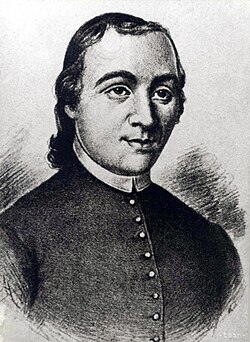
Happy Birthday Juraj Fándly
Born 21 October 1750 · Died 7 March 1811
Image: Wikimedia Commons — Unknown author (Public domain)
Biography and Contributions to Beekeeping
A Slovak Catholic priest and Enlightenment writer, Fándly wrote practical books for rural people. His treatise on beekeeping (1802) was one of the first in the Slovak language. He urged villagers to adopt rational, non-destructive hive management as a way out of poverty, and he helped spread beekeeping knowledge through Upper Hungary.
https://beekeeping365.com/2026/10/21/happy-birthday-juraj-fandly/
https://2.gravatar.com/avatar/2714f997d3f45110f7ab9d807731cd14d4a507a0fd09adb3f8d66db161abf679?s=96&d=identicon&r=G
#fandly #wikimediacommons #slovakcatholic #upperhungary #beekeeping #march #october #contributions
#rss #feeds #linksharing #qwibbit
Welcome to Beekeeping365 (Unofficial) spacestr profile!
About Me
Unofficial automated RSS/Atom links from the source Beekeeping365, covering PASS (sample entries support the proposed topic). Original creators are credited at the source; follow original links. Zaps support the independent feed operator, not the source creators.