spacestr

đź”” This profile hasn't been claimed yet. If this is your Nostr profile, you can claim it.

Edit
Bonsai Tonight (Unofficial)
Member since: 2026-10-15
Bonsai Tonight (Unofficial)
Bonsai Tonight (Unofficial) 5h

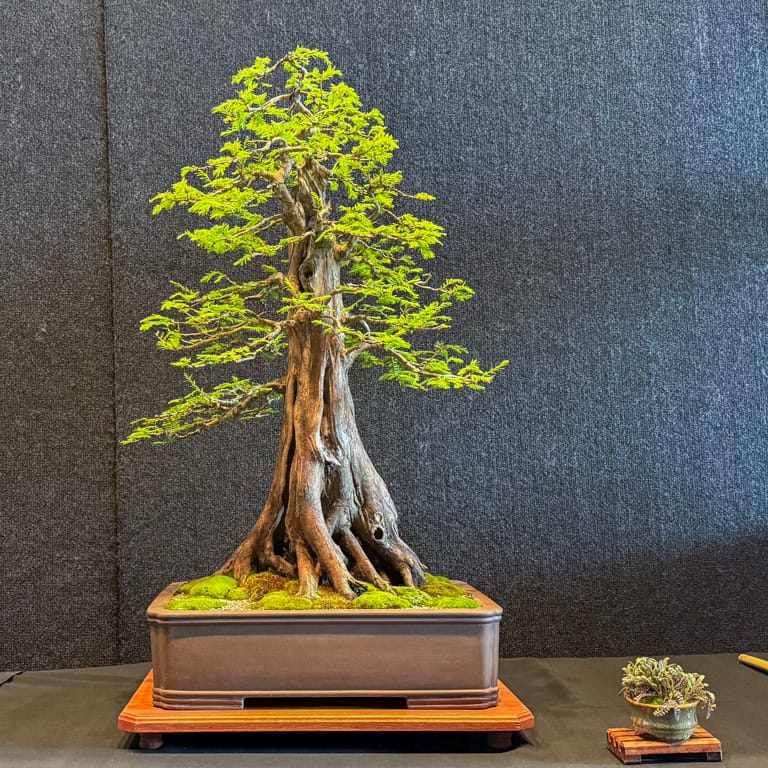
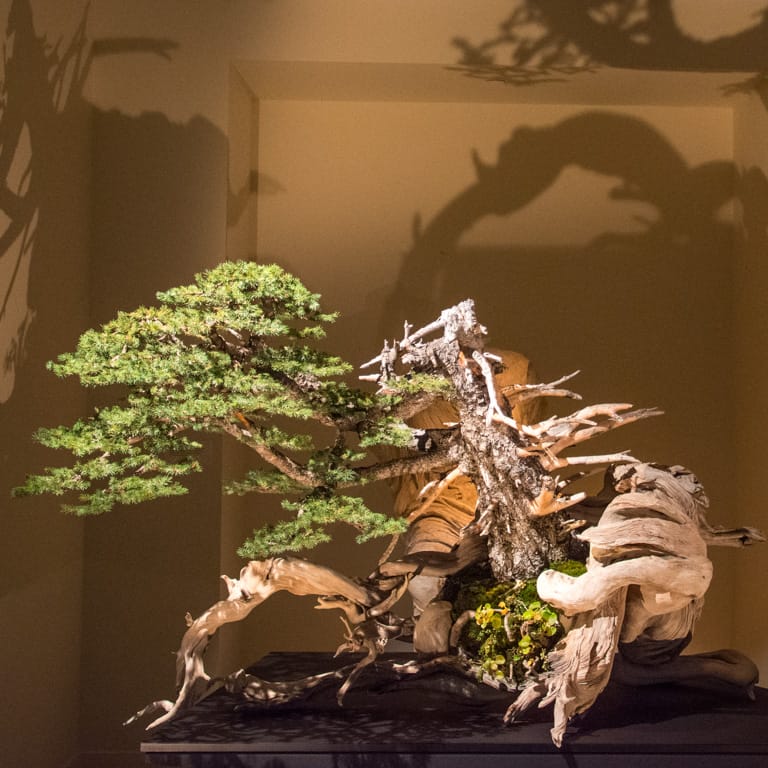
Highlights from the New Zealand Bonsai Expo The day before the New Zealand Bonsai Expo opened, I visited the venue. Setup for the bonsai displays had yet to begin. As I walked the empty aisles, I was curious what I’d find the next day. About 24 hours later I walked into an exhibit with wonderful New Zealand natives including totara, manuka, kanuka, kowhai, corokia, and pahutukawa. Surprisingly (for me), there were almost as many US natives including Douglas fir, Monterey cypress, Monterey pine, lodgepole pine, and swamp cypress. The New Zealand Bonsai Expo It was clear at first glance that enthusiasts have been growing bonsai in New Zealand for a long time. Some trees had been in training for decades. Scots pine Others, while relatively young in training, were off to a fantastic start. Swamp cypress Douglas Fir I thought of the show as featuring two main themes – bonsai as it has been practiced around the world for a long time, and more contemporary approaches featuring both native and exotic material. The above trees, and the two following bonsai, fall into the first category. Swamp cypress Silver birch The trees below feature native New Zealand species or present exotic material presented with mosses, ground covers, or accents featuring native species. Lodgepole pine Kanuka Mountain Totara Totara Monterey pine Shimpaku Shimpaku The mix of approaches made for a wonderful exhibit, and provided an awesome introduction to New Zealand bonsai. Altogether, the exhibit featured 120 trees, 47 suiseki, 39 classic and contemporary ceramic treasures, and 24 entries in the inaugural New Zealand Potter’s Competition. Outside of the exhibit, the Expo featured 17 vendors and demonstrations that ran throughout the weekend on the theme of “From Raw to Refined” – an organizing principle featuring material at different stages of development. I really liked the approach as it provided an opportunity to demonstrate a much broader array of techniques and approaches than more typical demonstrations. The format proved to be a big success with around 1000 participants visiting over the course of the weekend – a testament to the hard work of the organizing committee: Shannan, Garth, Brenda, Angelo, Mike, and Harry. One of the committee’s first moves was checking in with the New Zealand professional community, Adrian Bird, Matt Hutson, Sandra Quintal, Martin Walters, and Steven Yin, who showed strong support for the event by participating as exhibitors, demonstrators, emcees, and vendors. One small example of how this worked: during the demonstrations, which typically featured 2-3 professionals on stage at a time, an additional professional served as emcee. It was fantastic to have so many knowledgeable people working together to present their programs and it must have been a treat for the audience members who had so many great resources available to address their questions. It gave me a chance to get to know everyone and to learn about growing bonsai in New Zealand. I’d like to thank the organizing committee members for making this trip possible and for creating such an awesome event. Thanks to Scott Jania and Hugh Grant (who was visiting from Australia) for participating as emcees, and to hosts Brendan Covich and Rossco Phillips for hosting me on the North Island portion of the trip. It was a treat to see your beautiful country – thank you all! News & Updates [Pacific Northwest Event] The Puget Sound Bonsai Association is hosting their Fall Sale on Sunday November 8th from Noon to 3pm at the Center for Urban Horticulture, 3501 NE 41st St, Seattle. Vendors & PSBA members from across WA & OR will be offering a wide selection of bonsai, pre-bonsai, raw materials, pots & sundries at a range of price points. See the PSBA website for details. [Regional Event] Don’t miss out – there are only two weeks left to submit your bonsai and suiseki for the 2027 Pacific Bonsai Expo. For details about how to do this, check out the Pacific Bonsai Expo website. [Northern California Event] The Bonsai Garden at Lake Merritt’s annual fundraiser will be held on January 23-24, 2027. If you have trees for the auction, they need to get to the garden by this Friday, November 6th. See the BGLM website for details. [Apprenticeship Opportunity at the National Arboretum] The U.S. National Arboretum has an opening for a bonsai apprentice. The apprentice program focuses on preparing individuals for bonsai collection and public garden management. The successful applicant will be involved in the day-to-day care of a storied collection of historic bonsai, some of them in training for hundreds of years, and will receive one-on-one instruction from museum staff to develop skill in the styling and maintenance of bonsai. Learn more (and learn how to apply for) the National Bonsai Apprenticeship. https://bonsaitonight.com/2026/11/02/highlights-from-the-new-zealand-bonsai-expo/ #newzealand #zealandbonsai #bonsaiexpo #zealandpotter #douglasfir #totara #totaramonterey #swamp #rss #feeds #linksharing #qwibbit
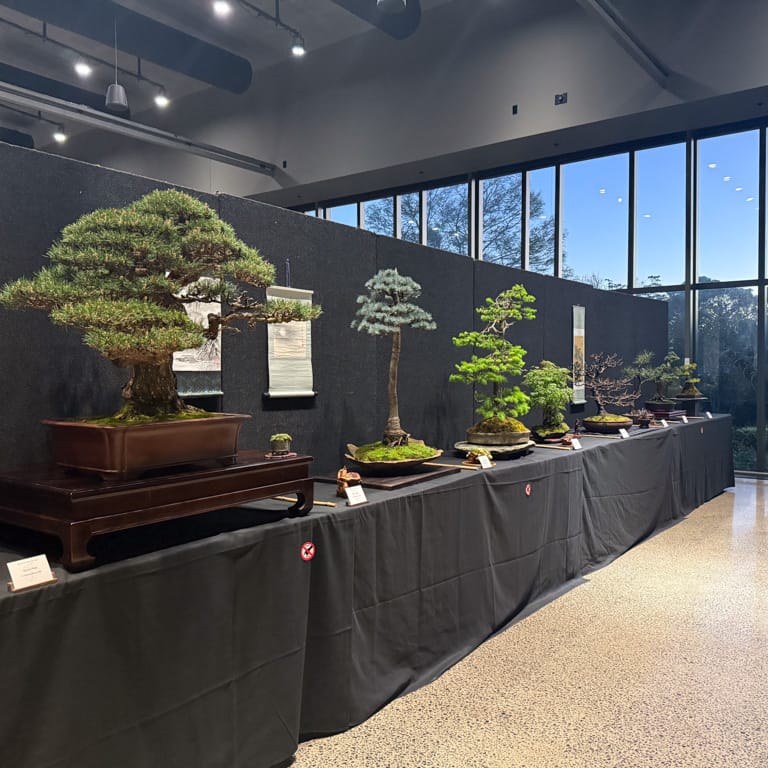
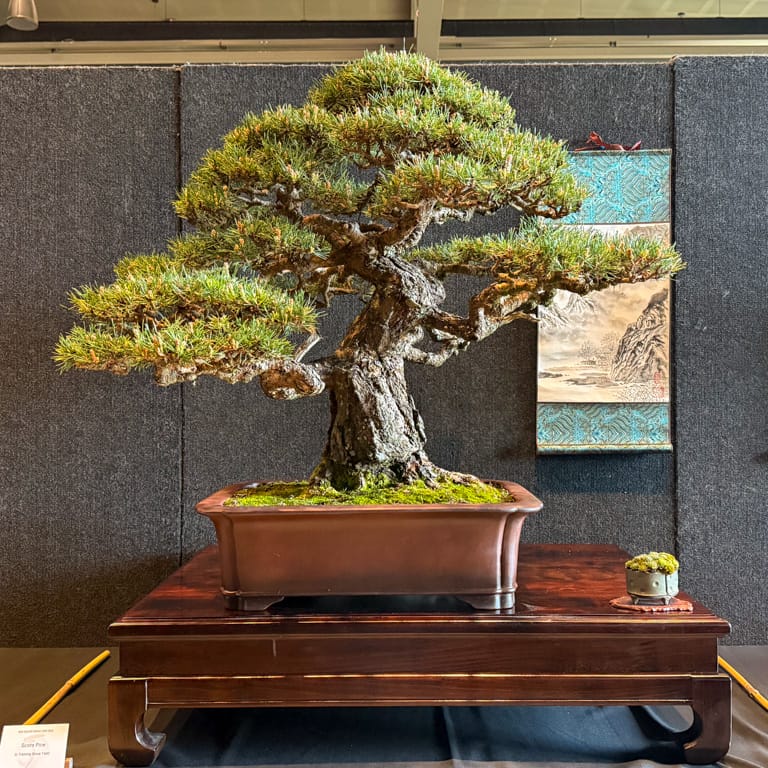
#newzealand #zealandbonsai #bonsaiexpo #zealandpotter #douglasfir
Bonsai Tonight (Unofficial)
Bonsai Tonight (Unofficial) 20d

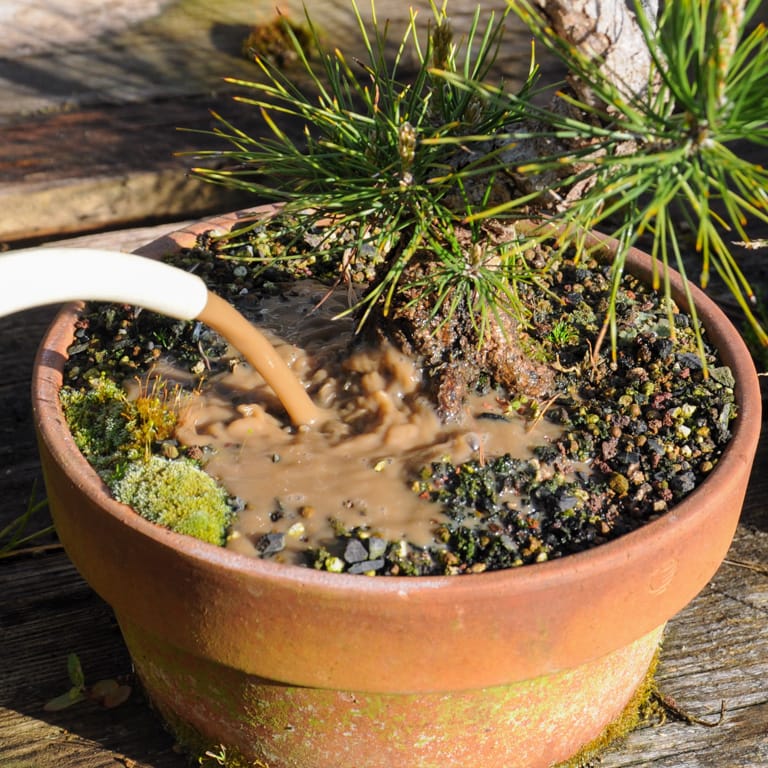
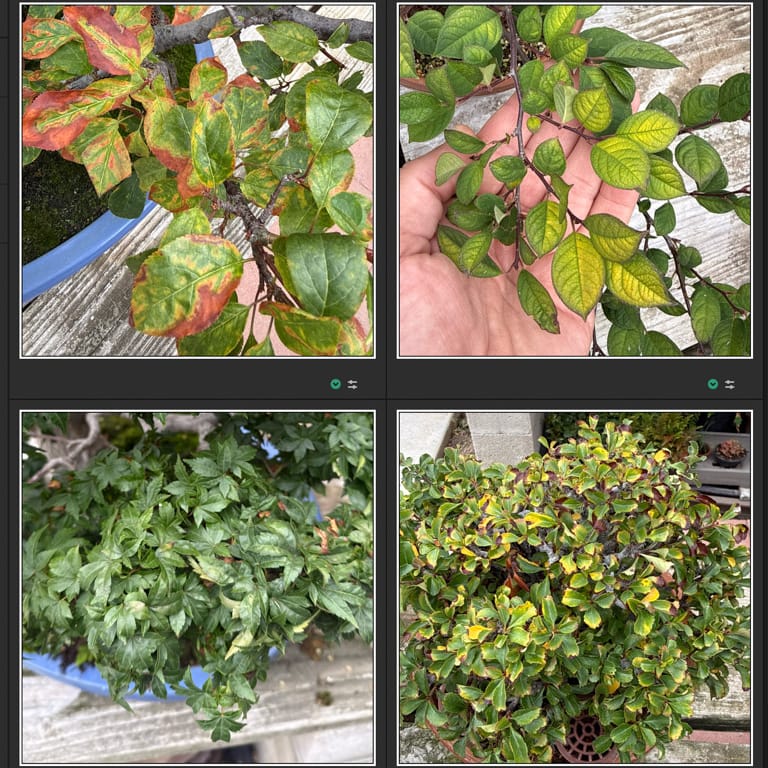
An approach to fertilizer and water quality When I started growing bonsai, fertilizing was simple. I sprinkled cottonseed meal on the surface of the soil and watered with fish emulsion every few weeks. Applying fish emulsion (circa 2010) This approach worked well for years, up until rodents began stealing the fertilizer and digging up the soil. I needed to make a change. This began a journey, or maybe an adventure, to learn about fertilizer and water quality. I dove into the topics, but it seemed like each successive discovery undid any previous discoveries I’d made. For example: I learned my pH was high (9.3) I learned how to fix this (by adding an acid to the irrigation water) I (later) learned that the water’s pH wasn’t really a problem (because the water in my area relatively clean). It felt good to learn a scientific tidbit, and it felt great to introduce a new practice as a result of learning that tidbit. But the more I studied a given topic, the more clear it became that some bigger truth (often that my trees needed more or different nutrients) was the real culprit. This pattern repeated itself for years until an idea popped into my head: that my water is similar to RO water (water that’s been filtered through a reverse osmosis system). I’d known that people with RO systems needed to add nutrients to their water to keep their trees healthy so I gave this a try. I used a chemical injector, a Dosatron, to test several products over the years and found that each produced different results. I also learned that chemical injectors aren’t the best solution for every garden. Injectors are great when your trees have similar needs, but if different trees require different fertilizers, injectors can add a layer of complexity. For example, I fertilize pines heavily in spring, but I don’t apply as much fertilizer to mature deciduous trees. Later in the season, I apply more fertilizer to deciduous trees and reduce the fertilizer that pines receive. And when bonsai are in early stages of development (when I’m building trunks), I fertilize heavily all year. To make sure every tree receives the right nutrients, I add a baseline of liquid fertilizer to my irrigation water and use solid fertilizers to supplement this. Easy, right? Well, if that’s all there is to it, why are there signs of mineral deficiencies in the garden? Mineral deficiencies in plum, ilex, maple, and quince The short answer is that I’ve under-fertilized my trees for several years in a row now. I’ve failed to follow a good schedule and I’ve failed to use the diversity of products required to meet my trees’ needs. Here’s another thing I got wrong. I looked for, and tested, what I thought might be a “good” fertilizer for the garden. What I’m doing now is taking a step back and ask a more basic question: what minerals do my trees need to be healthy? From plant science classes I know that trees need primary nutrients (nitrogen, phosphorus, and potassium), secondary nutrients (calcium, magnesium, and sulfur) and trace elements (like iron, copper, zinc, and manganese). If my water is similar to RO water and my soil doesn’t provide much in the way of essential minerals, then I’m responsible for providing the bulk of the nutrients my trees need to be healthy with fertilizer. I may not know the exact requirements of my trees, but thinking holistically, I can now begin experimenting knowing that I’m responsible for more than just the NPK blends found in popular products. I’m taking a similar approach with clients and friends around the country who may have very different water sources. The first step is learn as much as possible about what’s in the water. If there’s too much of something unwanted (like sodium), we talk about strategies for improving the water quality (like using filters or RO systems). When obvious nutrients are missing, we try adding them with one or more products and seeing how the trees react. While some trees can put on new growth within weeks after treatment, it’s more common to see changes take place over months or even years. Related, even when you see new growth after trying a new product, this doesn’t mean that one product is better than another, it just means your trees were missing something they needed. How much of it they need or when they’ll need more of it is a question best answered over time. In light of all of this, I’m taking more notes about my approach and will continue sharing periodic updates on the topic. Healthy pine foliage News & Updates [Resources for Watering and Fertilizing Bonsai] Addison Galambos recently invited Eric Shrader and me to talk water quality on the Bonsai Builder’s Podcast. For more on the topic, look for his discussions with Eric Forrester. Addison is the author of a wonderful resource about soil and water for bonsai at Teeny Tree Science. [Recent Podcast Episodes] For anything other than water/fertilizer related content, check out the following discussions. Chat with Gianne Souza (fun traveling to learn bonsai) Chat with Zane from Zane’s Trees (learning, teaching, and promoting bonsai) https://bonsaitonight.com/2026/07/27/an-approach-to-fertilizer-and-water-quality/

Bonsai Tonight (Unofficial)
Bonsai Tonight (Unofficial) 20d

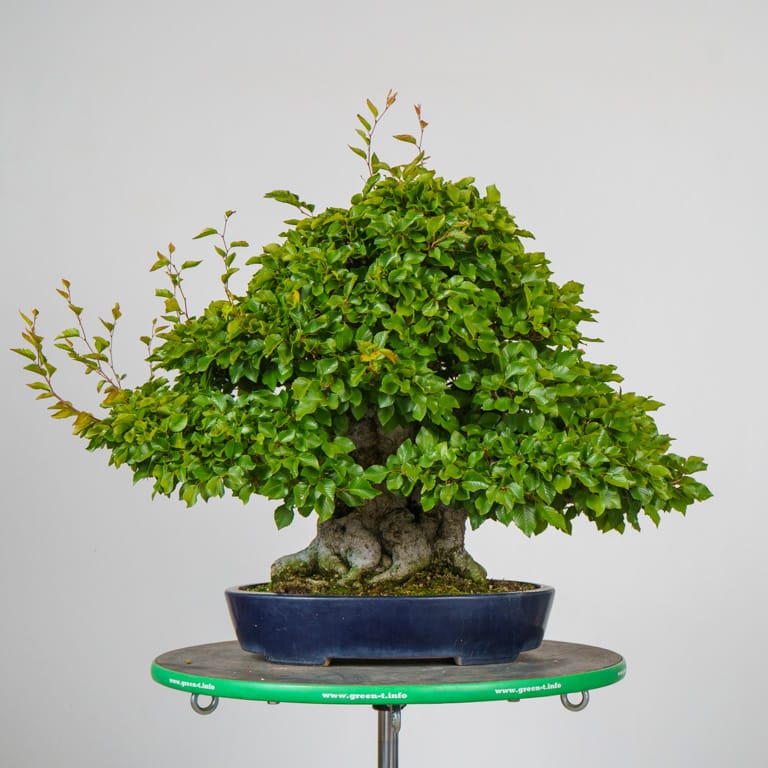
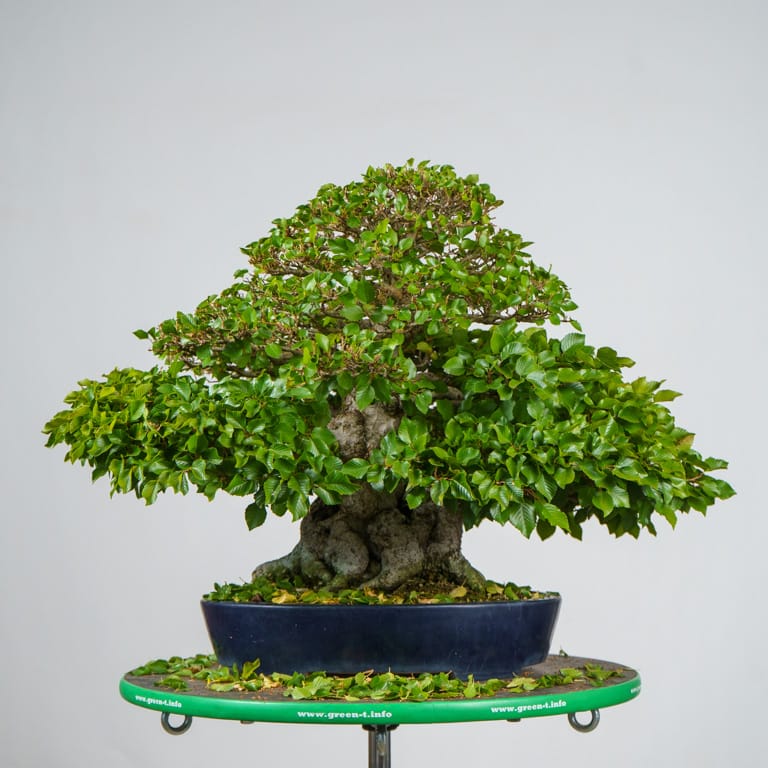
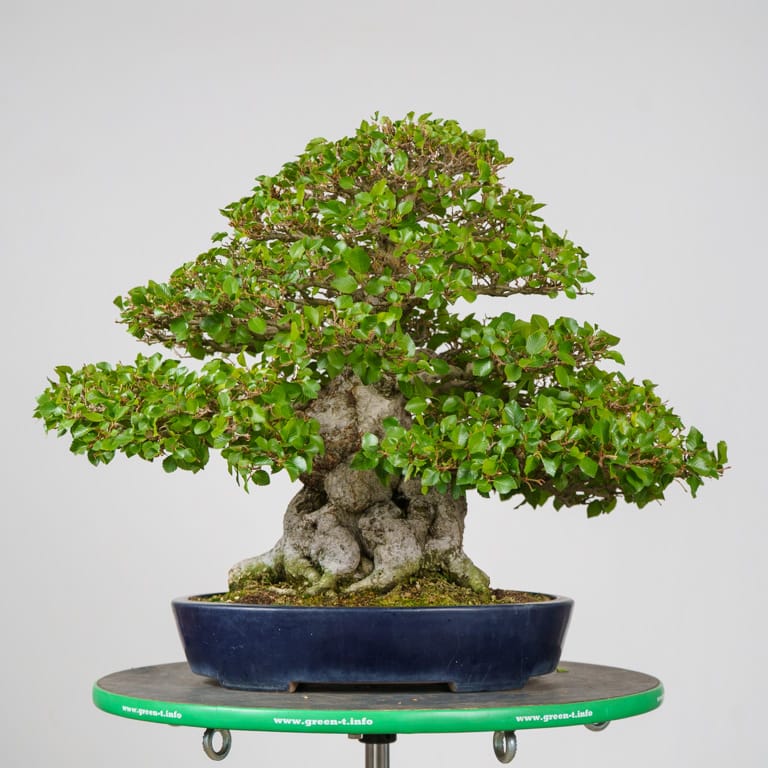
Designing bonsai in 3D We’re used to looking at photos of trees with the camera pointed squarely at the front of the tree. It’s a good way to get the basic idea of a tree’s shape. Korean hornbeam before pruning Half-way done Front view – after partial defoliation What this approach can hide is what a tree looks like from the side. Left side Back Right side To provide a better idea about the size and shape of the tree, this Korean hornbeam is 18″ tall, 27″ wide, and 23″ from front to back. The surface roots are 11″ wide, and three inches above the soil the trunk is 7″ wide. The tree’s shape isn’t a perfect cone. The top branches are positioned towards the front, a common convention in bonsai design. For my taste, the apex is too far forward. Over time I’d like to tilt the planting angle to position the top of the tree further back – maybe not right above the base of the trunk, but further back than it is now. I’d do this all at once but it would change the appearance of the branches and make the tree look crooked in the pot. Instead, I’ll make minor adjustments over the coming years to see if I can create the shape I have in mind for the tree. (Clockwise from top left) left side, back, front, right side News & Updates [Local Show] The Redwood Empire Bonsai Society is hosting their annual exhibit on August 22-23 at the Rohnert Park Community Center, 5401 Snyder Lane, in Rohnert Park, California. The event features an eighty tree exhibit and demonstrations both days from 1:00 – 4:00 by Sam Tan. Shopping options include member tree sales and a great selection of trees and supplies from thirteen vendors. I’ll be vending at the event so feel free to stop by and say hi! [Regional Show] Preparations for the Pacific Bonsai Expo are ramping up. Tickets go on sale September 1st, and T-shirts are on sale now. Volunteer sign-ups will be online close to when tickets go on sale. Listen to the latest updates about the event on the Bonsai Wire Podcast. [Online Store] A number of popular products are back in stock including bonsai soil (akadama, kanuma, and hyuga), cut paste, aluminum wire, and Biogold fertilizer. We’re also happy to announce that the commemorative album from this year’s Kokufu exhibit, the 100th show, is now available. Details below. https://bonsaitonight.com/2026/08/14/designing-bonsai-in-3d/

Bonsai Tonight (Unofficial)
Bonsai Tonight (Unofficial) 20d

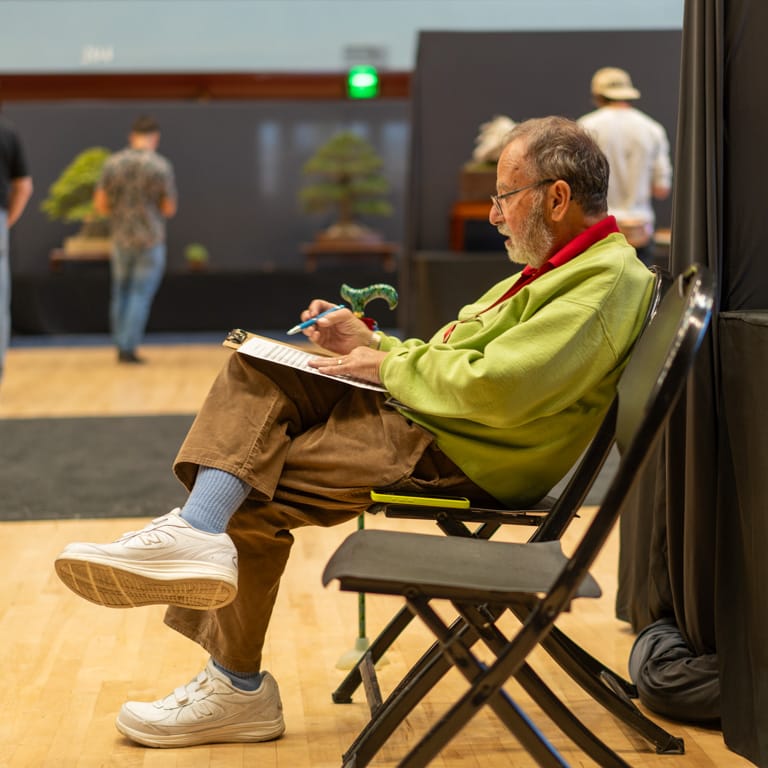
Draft judging instructions for the PBE For years now I’ve wanted to write a guide to help judges think through the process of scoring the trees displayed in the Pacific Bonsai Expo. It’s one of a small number of exhibits where the exhibitors are the judges, and we don’t expect the members of the judging panel to all have broad experience scoring bonsai. In an effort to encourage more people to gain this experience as judges, the PBE provides incentive for enthusiasts to learn how to evaluate bonsai effectively and an opportunity to practice. The scoring system is simple: “Provide a score of 1-5 for each display in the exhibit with 1 being the lowest and 5 being the highest.” As a starting point, I’d like to encourage the judging panel to take full advantage of the 1-5 scale. It’s perfectly reasonable, for example, to award equal numbers of 1s, 2s, 3s, 4s, and 5s. I think of 3 as being an appropriate score for displays of average quality among the displays in the exhibit. Scores of 4 or 2 can be applied to displays that are somewhat above or below average quality for the event. Scores of 5 are appropriate for trees that are contenders for awards. Remaining trees can receive a score of 1. Bill Valavanis double checks his scores at the 2024 Expo In the past, some judges avoided using scores of 1 or 2 arguing that the trees in the show were a high quality. Doing this effectively limits these judges to using a 3-point system – a system that’s far less granular than the 5 point approach. Put another way, by using a 5 point system, we’re asking judges to sort the trees into five categories for the purposes of identifying the displays with the highest scores for each category. That covers the basics for using a 5 point scale to score the show. How then to determine which displays receive which scores? Here’s where a judging rubric enters the picture. The best outline of how to judge a bonsai show that I know of is Ryan Neil’s Judging Rubric from the 2015 Artisans Cup. After setting out how the judging will occur, the rubric describes successful displays in terms of both technical and artistic merit. Engelmann spruce at the Artisans Cup Among technical considerations, the rubric calls out tree health, branch density, and the idea of craftsmanship as it pertains to cleanliness, development, pruning, wiring, pot preparation, and accents. Among artistic criteria, the rubric calls out features to consider for each element of a display, the tree or trees, container(s), stand(s), and accent(s). I think this is one of the strongest passages. Here’s the full section relating to trees. Material is of quality and value/interest Design is a good representation of the species as it occurs in the natural environment, OR design is a good representation of a shape as a bonsai. (Some trees look like trees in nature, other trees look like a bonsai. Both are equally as valid. Is the design well executed? Personal opinions and personal preferences are not welcomed or permitted. Judge Objectively!) Features of tree are well considered and utilized in design Design flaws may exist but have been addressed In just a few bullet points, the rubric gets to the heart of the matter: is the tree interesting, and is the design well considered and well executed. Similar criteria guide the scoring for containers, stands, and accents. My approach to judging often begins with a consideration of what the tree brings to the equation and what the artist does with it. All bonsai have starting points, whether as seeds in our care or ancient specimens found in nature. Characteristics inherent to a tree matter when evaluating bonsai, as does the work of the artist in terms of material selection, care, design, and maintenance. To provide more structure to the process, I’ve created draft instructions for judges for the upcoming Expo. My hope is to receive feedback from the community over the next month so we can publish final instructions before the submission period opens on October 15th. Draft Instructions for Judges Feel free to check out the instructions and let me know if you have comments or suggestions that can inform future drafts. News & Updates [Local Event] The Redwood Empire Bonsai Society is hosting their annual exhibit this weekend at the Rohnert Park Community Center, 5401 Snyder Lane, in Rohnert Park, California. The event features an eighty tree exhibit and demonstrations both days from 1:00 – 4:00 by Sam Tan. Shopping options include member tree sales and a great selection of bonsai and supplies from thirteen vendors. I’ll be vending at the event so feel free to stop by and say hi! [Regional Event] The Naka Memorial Exhibit Bonsai Show is this weekend, August 22 & 23, at the George J. Doizaki Gallery in Los Angeles. The exhibit is open from 11:00 a.m. to 4:00 p.m. both days. For those who haven’t visited before, it’s a juried bonsai event held in conjunction with the Nisei Week Celebration at the JACCC. If you get the chance to visit, be sure to thank event chair Julian Tsai and co-chair Ryan Pitts for coordinating the event. Learn more at the Naka Memorial Exhibit website. https://bonsaitonight.com/2026/08/21/draft-judging-instructions-for-the-pbe/

Bonsai Tonight (Unofficial)
Bonsai Tonight (Unofficial) 20d

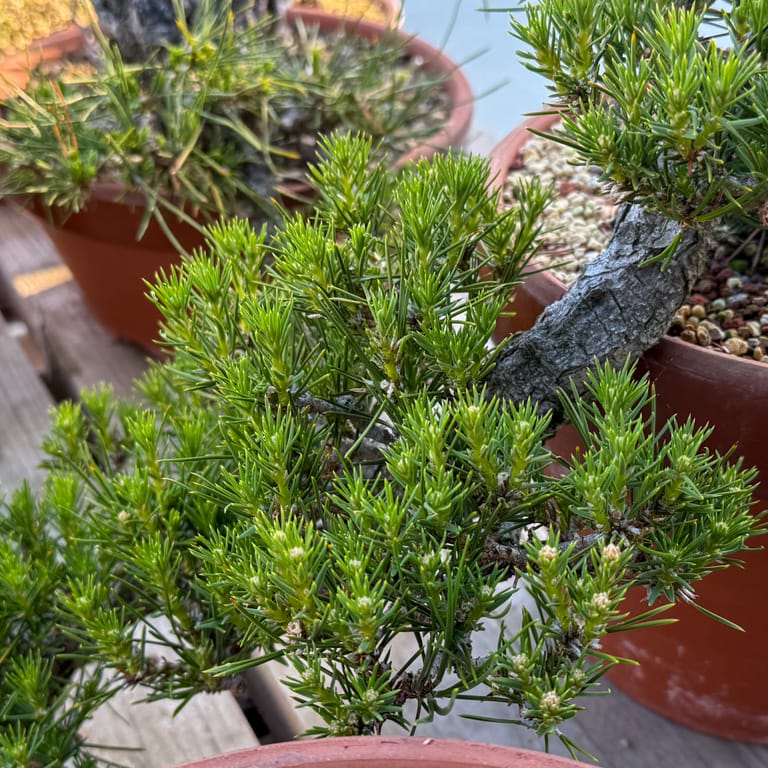
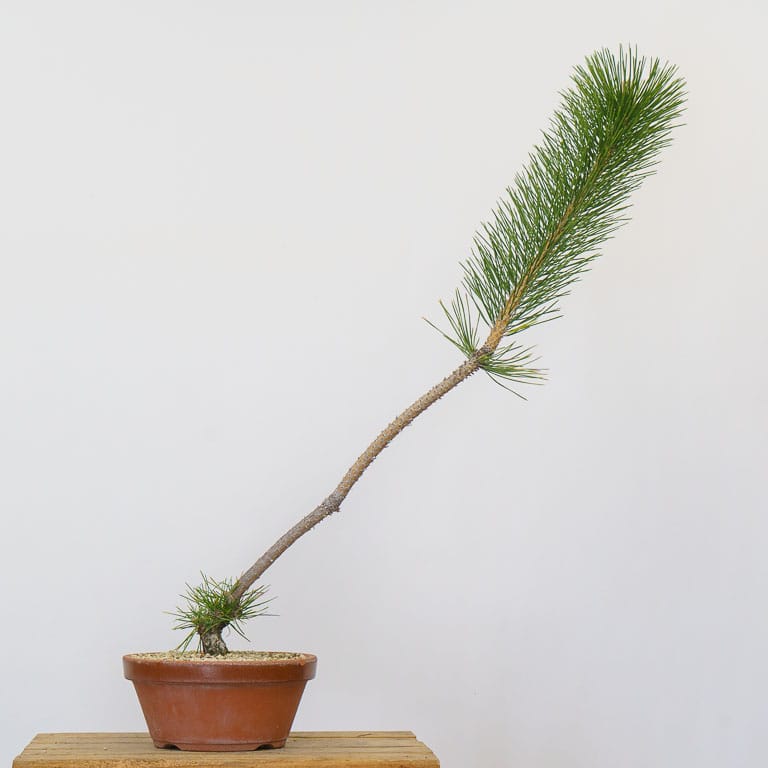
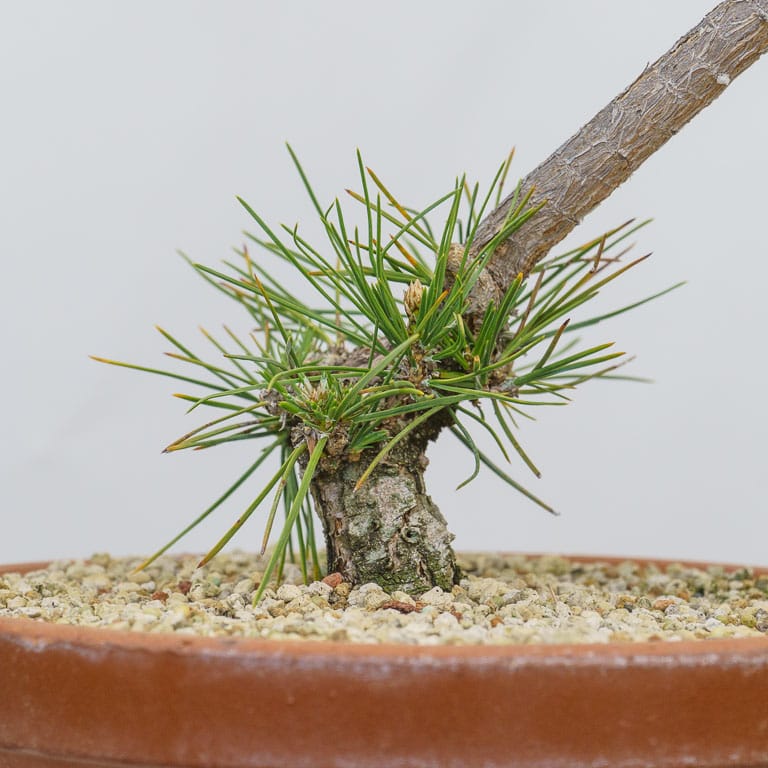
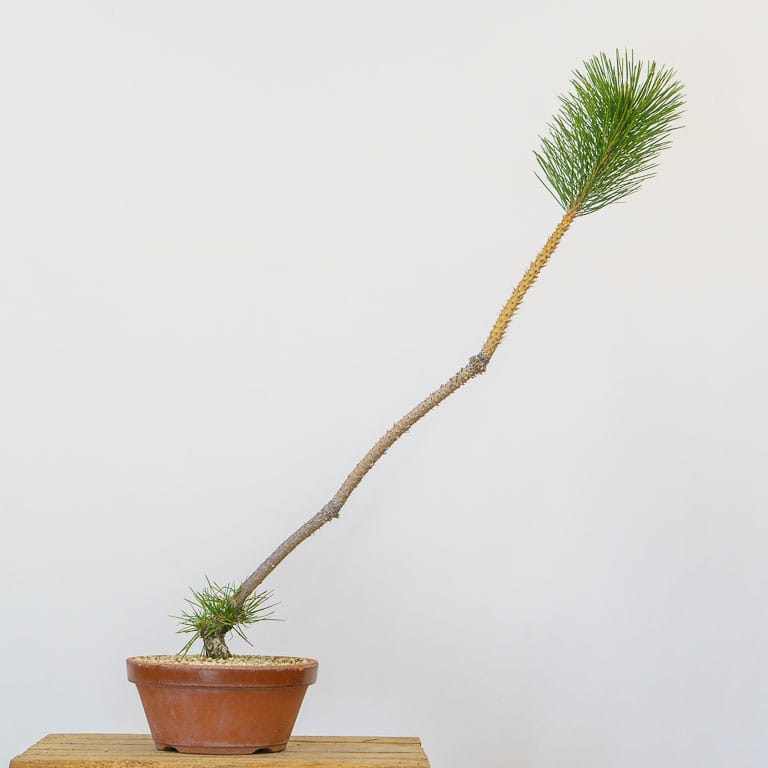
Sacrifice branches – getting the balance right A month or two after decandling season is a good time to check and see how the summer growth is filling in. If everything looks good, there’s no need to make a change. If the new growth is weaker than expected, there’s still time to strengthen it before the end of the growing season. This is particularly true for trees with sacrifice branches. Here’s an example. Five year-old pine with sacrifice branch As expected, the new growth is strong on top but relatively weak below. Relatively weak new growth By weakening the strongest part of the tree (the sacrifice branch), the weaker shoots have a chance to gain strength. And with fewer needles above, the lower branches can receive more light. Adding fertilizer will help both the upper and lower branches gain strength, so I’ll step up the fertilizer regimen too. After removing needles from the sacrifice branch The process looks the same for young trees with a second sacrifice branch. Whenever possible, I like to start developing replacement sacrifice branches before removing existing sacrifice branches as this can speed up development. Young pines with sacrifice branches To encourage more growth below, I removed about half of the needles on the sacrifice branches. After removing needles on the sacrifice branches Close-up of the foliage below the sacrifice branch You can do this kind of work throughout the growing season. Because the lower branches on the trees below were looking even weaker in spring, I decandled the sacrifice branches. This slows development above and accelerates it below. Two months after decandling the sacrifice branches Summer growth along with the new sacrifice branch Because I was already planning to remove these sacrifice branches in fall (they were getting pretty tall), decandling them doesn’t slow down the tree too much and it creates better branches to work with below. On some of the pines, the sacrifice branches were way too tall in spring and the lower branches were too weak so I removed them. Now I’m seeing a lot new growth. And because the lowest branches have good vigor, there’s no need to remove any needles until fall. Sacrifice branches pruned in early spring The exact same approach works for more mature trees. Here’s a pine that Eric Schrader started from seed about twenty years ago. Root over rock black pine Because I want the branches that will form the final silhouette to get stronger, I increased the fertilizer and removed needles from the sacrifice branches. After removing needles from the sacrifice branches It’ll be a while before the sacrifice branches come off (I’m aiming to thicken the upper trunk), but in the meantime, I’m happy with the young branches below. News & Updates [Local Events] The Bonsai Garden at Lake Merritt is looking for volunteers to help with the City of Oakland’s Autumn Lights Festival. The festival will run from Thursday, October 15th, through Saturday, October 17th. Key jobs include setup, cleanup and serving as a docent. Learn more about available time slots or sign up to volunteer online. If you haven’t been, I highly recommend it. The garden is lit up with thousands of small lights and thousands of visitors come by to enjoy it. See photos from a past event. The East Bay Bonsai Society will be host their annual show on Saturday and Sunday, November 14th-15th, at the Lakeside Garden Center, 666 Bellevue Avenue, in Oakland, California. Hours are 10-5 Saturday and 11-4 Sunday. Demo and talk at 1:30 Saturday by David De Groot. Vendors and club members will have trees, pots, and supplies for sale so get there early for the best selection! [Regional Show] There’s a lot of activity going on in preparation for the 3rd Pacific Bonsai Expo. Check out our rundown of what’s new for details. https://bonsaitonight.com/2026/09/27/sacrifice-branches-getting-the-balance-right/

Welcome to Bonsai Tonight (Unofficial) spacestr profile!

About Me

Bonsai trees and the joy of growing tiny forests. Unofficial automated fan feed. Content belongs to its respective owners; not affiliated with source publishers.

Interests

  • No interests listed.

Videos

Music

My store is coming soon!

Friends