spacestr

🔔 This profile hasn't been claimed yet. If this is your Nostr profile, you can claim it.

Edit
David · davidduchemin.com (Unofficial)
Member since: 2026-10-16
David · davidduchemin.com (Unofficial)
David · davidduchemin.com (Unofficial) 6h

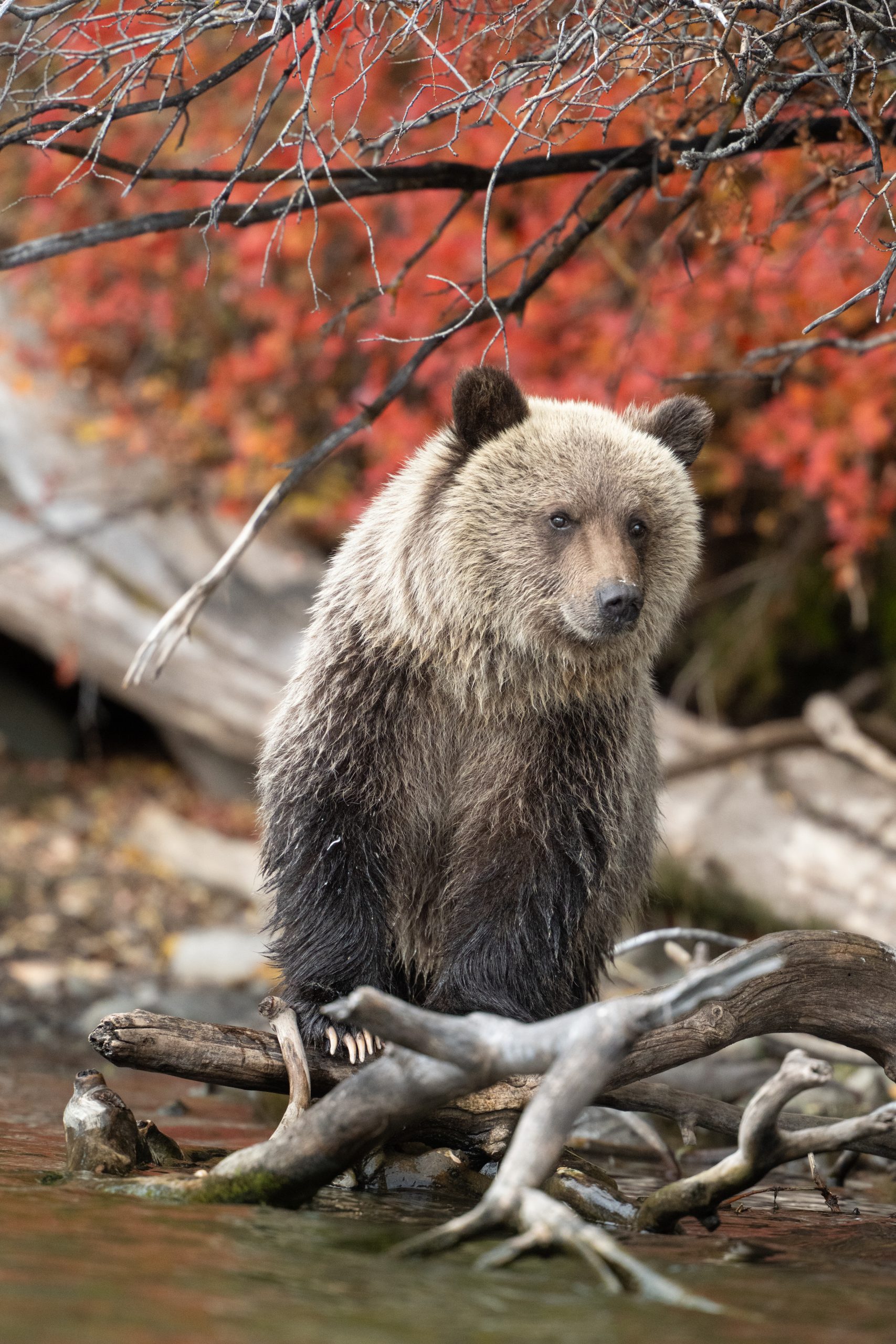
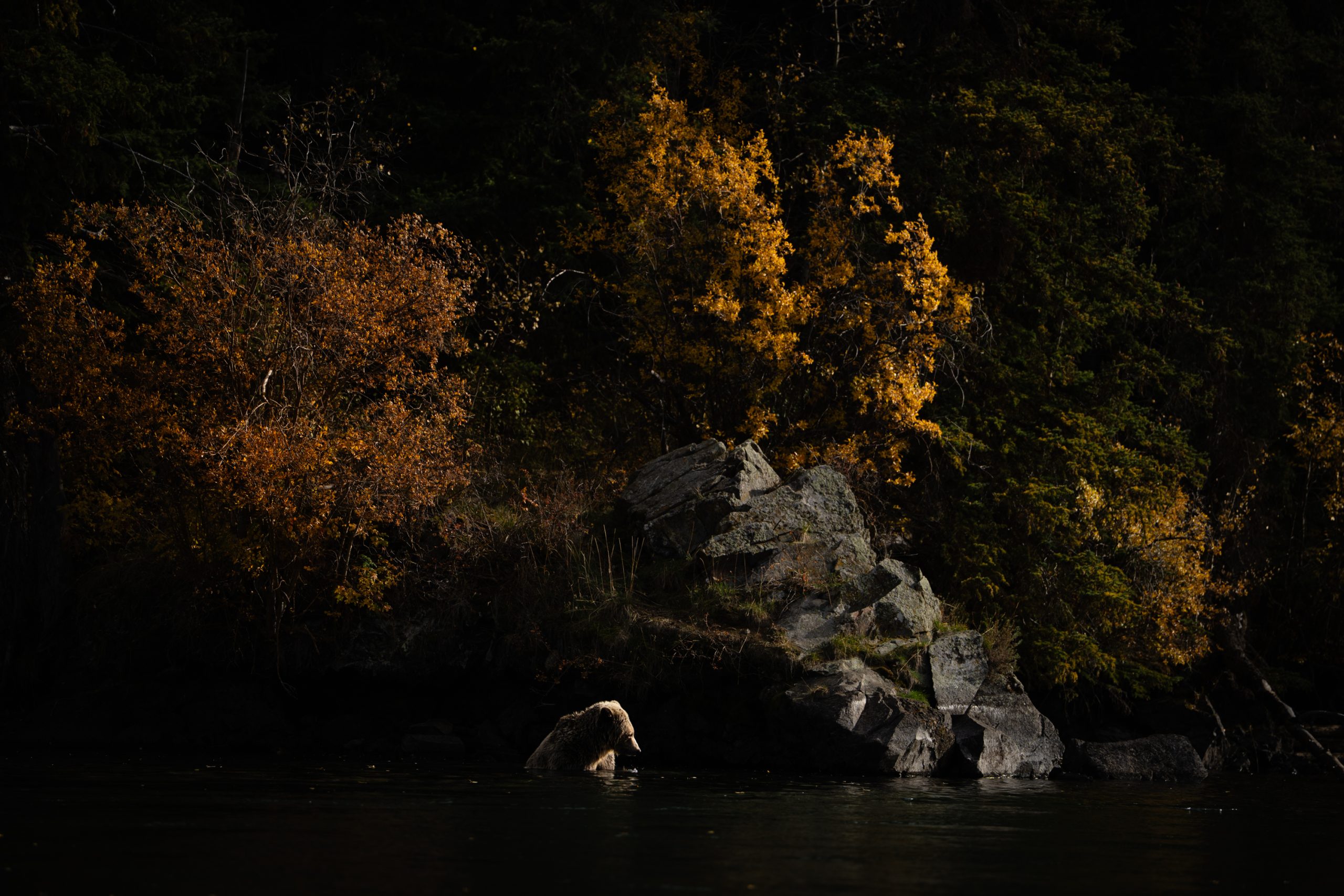
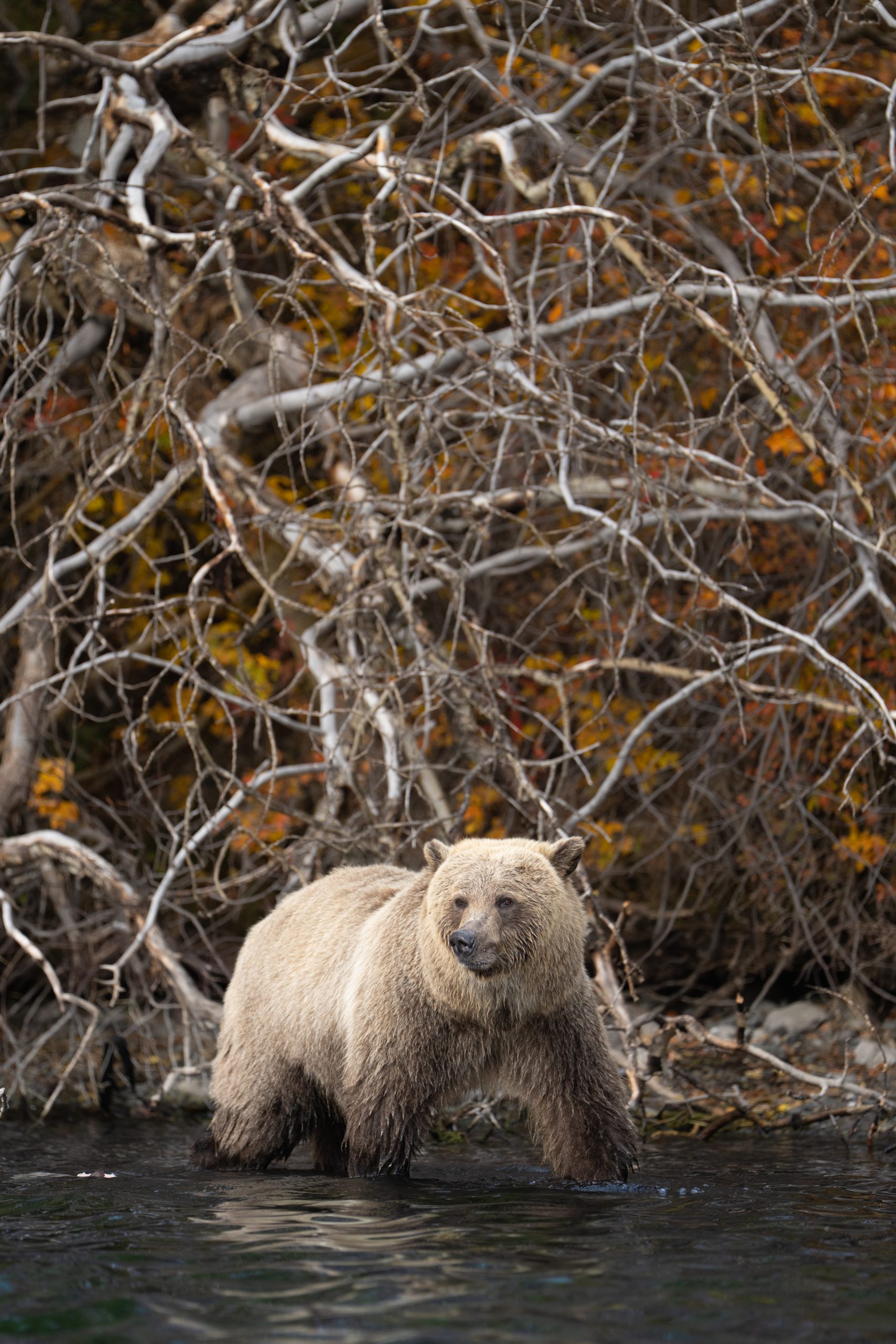
Composing Back to Front Photographers are always looking for things to photograph. This can be a problem. It can be a problem because photographs, the really good ones that work as a picture, are not made of things. Subjects are important, but I think we can all agree that even the most amazing subject can take centre stage in what ends up being a boring photograph. A pretty thing does not, ipso facto, make a pretty picture. It’s possible to be blinded by our subjects, so seduced by them that we overlook the absence of any harmony of colour, any particular mood, or—often—that strong line in the background we didn’t even see when had the camera to our eye. Why didn’t we see it? Because our mind is engaged in real-life triage, trying to determine what matters and what does not. The bear matters. The colourful flower matters. The tree in the background, or that bright spot, or the mismatched colours, they don’t matter. Unless, of course, you’re making a picture. If you’re making a picture then they matter a great deal. No matter how great your subject. So much, in fact, that I’d argue we should be looking to the background first as we compose. Perhaps it’s not the first thing we notice, but the moment we find a subject and think, “Look at that!” we need to look beyond that, whatever it is, to the stage on which it sits. We need to look immediately for the rest of the picture and then work forward (though it’ll seem backwards) from there. Sam Abell is one of my favourite photographers, and he teaches his students to compose from back to front. “My dad,” he says, “had been an ardent amateur photographer, and he taught me to compose a photograph from the back to the front, and then populate the picture.” Build the stage first, then determine where the characters need to be. It feels backward, but if you agree that composition matters, that your choices about everything else in the picture are just as important as the subject you choose, then this one change in how you think can make a world of difference. It will change what you look for. I would describe it as looking for scenarios, not just for subjects. Rather than “OMG, look at that thing!” It becomes, “Look at that thing in that light, against that background!” You’re not looking for things! You’re looking for pictures. Thinking this way changes your timing—you’ll probably wait a lot longer for the right thing to be in the right place in the picture. It changes where you put the camera, too, because you don’t just need a thing in your picture; you need a thing in the right place relative to the other things or it won’t feel balanced or tell the story you want to tell. A recent example. I have a lot of photographs of bears. But it’s not the bear alone that makes this image work. It’s the placement of the bear. The balance of light and dark, the negative space around the bear, the colour. In composing this I started with the background framing and then waited for the bear to hit his mark. That’s how I understand the advice to compose from back to front. Figure out the rest of the canvas, then place the subject either by waiting it out, or moving the camera. Thinking this way will make your photography harder, but it will also make your photographs stronger because all the elements in an image need to be intentionally chosen, included or excluded on purpose. It will make you pickier, and that will rule out some of (many of?) the photographs you might have made before. We’ve got to stop thinking of photographs as capturing a thing. That’s just one part of the image, but it’s not the design of the image. Yes, you have a subject, but do you have a photograph? One of the biggest shifts you can make in your photography is being more intentional about your canvas and every other element you paint upon it. This is why depth of field matters: it helps paint the background with purpose. It’s why your point of view matters, too. Sometimes just moving a little to the left or right aligns the elements in the frame just right and the whole story changes. It’s why looking at the colours and paying attention to the lines matters. Because we see and experience the whole picture. The rest of the picture informs how we think and feel about the subject. Two more examples in which the background forms an important part of the image. I had plenty of chances to photograph these two bears, but in designing these specific frames I started with my backgrounds, without either of which these two photographs would be just bears, and would lack the visual appeal of the colour and pattern that make them what they are. Now that I think about it, the advice I hear most often about backgrounds is usually little more than, “Check your backgrounds and make sure that there are no distractions.” True. But is that the best we can do with them? Just clear them of distractions? Distractions from what? Well, usually, it’s the subject. The thing. But the best photographs are so much more than “the thing.” Look at the strongest photographs you can think of. Would they be the same if all the other elements were different? Just cut the thing out and plunk it on another background and, “Yup, same picture!”? Would you feel the same about it? If the answer is yes, then you’ve probably got a subject, not a scenario. You have a thing, but do you have a picture? It took me a long time to wrap my head around Sam’s father’s simple advice, but what a difference it made. And maybe it’s a matter of stages. When you begin to photograph, you need to develop an eye for subjects, and that’s necessary. Subjects matter. But some of us never move on to the very necessary stage during which we learn to intentionally pair subjects with backgrounds and other elements in the scene. Starting at the back and populating your picture from there is one way of thinking about it. Looking for scenarios, not just subjects, is another. However you think about it, the picture isn’t complete—or compelling—without real thought given to the rest of the canvas. For the Love of the Photograph, David The post Composing Back to Front first appeared on David duChemin - Photographer, Author, Creative Instigator. https://davidduchemin.com/2026/11/composing-back-to-front/ #look #front #composingback #because #rss #feeds #linksharing #qwibbit
#look #front #composingback #because #rss
David · davidduchemin.com (Unofficial)
David · davidduchemin.com (Unofficial) 4d

Stronger Photographs With Just One Decision Watch the short video above, or keep reading if you prefer the written word. Too many photographers look to the work they do with the camera as job one, which it is. But it’s not the only job. Your ability to edit down to your keepers, to process them in ways that are consistent with your voice, and to do something with those photographs, are as much a vital part of your craft as the camera work. What about the edit? The choice we make to select one final frame from among many is one of the most important choices we can make. It is part of what it means to make a great photograph. When we make a body of work, we have to choose a dozen or two dozen final photographs from what might be hundreds or thousands of sketch images or possible alternatives—the ability to do this is no less important than the ability to choose a shutter speed, aperture, or composition. So how should we be thinking about these choices? And why are so few photographers talking about it when I know so many of them are overwhelmed by it? I wonder if it’s as simple as believing that it’s just not as important. Just pick something sharp and well-exposed and move on? Or do we just pick all the images that aren’t stinkers and call it done? I think one of the most overlooked ways to improve your photography right now—without the need to upgrade your camera or get the latest version of your favourite lens—is to get pickier. To begin thinking about your choice of final frames more creatively. More intentionally. Ansel Adams said that 12 images a year was a good crop. I don’t generally think of my photographs as plants, but I like his point. And I suspect your work would be better if you were more selective, more creative about the ways you looked at editing down to your keepers, and more intentional with what you did with your images. If we all did that we’d make better, stronger photographs. So, I wonder: When you edit or select your best work, what questions are you asking yourself? What criteria do you have for making that selection? How much do you trust that process? Are you still deleting everything that doesn’t make the cut the first time around? Are you looking for quantity or quality—and do you have a clear system for understanding what that means to you? I’ve heard it said that photographers are their own worst editors, but I wonder if that’s only because we often don’t give the editing as much thought as we give to our gear or our camera work. And—because I’ve been that guy—I wonder how many are just relying on the Un-Suck filter in Photoshop or Lightroom to “polish a turd” rather than choosing an image that’s, ahem, not a turd in the first place. I have two points to this. The first is a plea. It’s more than the nudge I might normally give you. I’m practically begging you to ask yourself what it would take for you to be pickier with the images you choose as your final selects and which ones you relegate to the archives. Could you be giving the whole process a little more time, or actually—because my approach to editing takes less time—could you be giving it more focus and attention? Could you be clearer about your selection criteria and more intentional about what you’re choosing those images for in the first place? What would your accumulated work look like in a year if you didn’t settle on the 3-stars but chose only the ones that were an unqualified “Hell, yes!”? Your work can be so much stronger simply by choosing stronger photographs, and you can learn to do this. Earlier this week, I talked about three ways we could love our photographs more. This is the big one: desire more for them. Demand more from them. Hold out for the very best of them. Never settle. But how do we do that? In a couple days I’ll be inviting you to join me one last time for my Beyond The Shutter course, which I created to help photographers get clearer about one big question and that’s this: “I just shot a bunch of photographs. Now what?” It’s about editing down to your best work, but more than that, it’s about how you think about editing, how you can make it less overwhelming, what criteria you can use to select your best work, and how you can use the tools in Adobe Lightroom to help with that? It’s about doing something beautiful and meaningful with your photographs, like monographs, multi-media presentations, or web-galleries and using the tools you already have in Adobe Lightroom to do this much more easily than you might believe possible. One of my most popular courses to date, Beyond The Shutter is a video course created to help you become the strongest photographer you can be. To be less intimidated, less overwhelmed by the stuff that needs to happen once you put the camera down, in order to make stronger choices. It’s about the neglected other half of our creative process, a part of our craft that—once I engaged with it myself and stopped being so ad hoc about it—has become one of the most rewarding parts of what I do, rather than a dreaded after-thought. I want to help change your thinking about it. I want to show you my own process and how I make things like the monographs I send out, and so much more. You’ll get all the details this Sunday. The ideas and techniques I want to share with you will change your enjoyment of this craft you love so much, and will help you take next steps toward being more creative and intentional in the work you do beyond the shutter, and be more satisfied with the final results. If you’re interested, this is the last time this course will be offered, so the time is now. Last year’s course was amazing and brought huge changes to the photographers who joined me. They said things like: “I never imagined this course would so increase my joy in making photographs. This deeper understanding of the editing process makes my own camera work more creative, focused, and playful,” “You’ve hit this one out of the ballpark! I am so impressed with this series. I’m picking up so much concrete advice.“ Keep an eye open for more details on Sunday and your invitation to join me for Beyond The Shutter. This is the last time I’ll offer it, but the price is better than ever, and so are the included resources. Did you miss the second part of this series? You can still read it or watch the video HERE. For the Love of the Photograph, David The post Stronger Photographs With Just One Decision first appeared on David duChemin - Photographer, Author, Creative Instigator. https://davidduchemin.com/2026/10/stronger-photographs-with-one-decision/ #rss #feeds #linksharing #qwibbit

#rss #feeds #linksharing #qwibbit

David · davidduchemin.com (Unofficial)
David · davidduchemin.com (Unofficial) 7d

3 Ways To Give Your Images Their Best Chance Watch the 7-minute video above, or keep reading if you prefer the written word. Here’s a question that keeps me up at night: Why do photographers get so intimidated by editing down to their best images and the “now what?” that comes once we put the camera down? And are we missing really important creative opportunities because of this? For years, I’ve been signing my letters to you with the words “for the love of the photograph,” because I do. And so you do you. Nothing else explains the time and money we spend on making them. No doubt about it, this is a labour of love. But I wonder if we love the photographs we are going to make—the next ones—way more than the ones we’ve just made. We so often move on to the next thing too quickly. The next project. You know the one: the one for which you need that new lens. Or tripod. Or flash. I’m the same way, and there’s nothing wrong with creative momentum or new gear. But I think if we loved the photographs we’ve just made as much as the ones we’re about to make, we’d make stronger images and have a richer photographic life. So, here are three ideas, or three ways, that we can carry the love of the photograph and the making of photographs, a little further and in the process, learn more, make stronger photographs, and find more joy in all of it. Spend More Time With Them In my last video, I suggested you consider doing smaller edits when you’re working on a project. I like daily edits when I’m photographing, but whatever “smaller edits” mean to you and your work, I think you’ll benefit from doing it. I also think multiple edits are important, and though I suggest spending more time, this multiple-edit approach is actually more effective and, in the end, takes less time—and is more enjoyable and effective than one big marathon edit session (that you may never get around to). When it comes to choosing my keepers, I never completely trust my first instincts. We choose our best work by looking through all kinds of different filters. There’s no telling what I might have been looking for when I did my first edits—was I looking for colour images or vertical images or images that tell a certain story?—so it’s always worth giving my images another look, and doing so at least three times over a few months rather than doing one gigantic, mind-numbing edit session to find the best of my work. One of the best reasons for doing this, especially if you’re doing smaller edits as the work progresses, is that what a project looks like at the end and what it looked like at the very beginning are usually very different. So going back to do another edit, once you’ve seen where the project is leading can be very effective in finding new images that work with that project. Our work grows and changes, as does how we look at that work. I know we get excited by the next thing, but one of the best ways to make new photographs when you can’t be out there with the camera is to revisit older work. Do another pass. See what comes to the top now that you’re seeing it with fresh eyes months or even years later. I think not being in such a hurry with finding the best of our photographs, of revisiting them and giving them a second or third chance after we’ve shot them, is a stronger way of editing than the way it’s often done: one big marathon edit session after which we call it done and never give the un-selected images another glance. That’s the first way we can give our photographs a little more love, and the result is stronger final images. Do More With Them I used to tell anyone who would listen to “print yer damn work!” Maybe you don’t make the prints yourself, that’s OK; I don’t anymore, either. But I do have it printed by someone who is really good at printing, and getting my work in print makes me a better photographer. There’s also such joy in holding the work and sharing it in tangible ways. When’s the last time you made a book, a slideshow or a collection of prints to pore over? When’s the last time you submitted them to a magazine or swapped out the prints on your wall? When is the last time you did something with them? If you want to love your photographs more, consider making something with them. The benefits are huge, and they’re practical. When we output our work, we spend more time with it. When that output is larger than what we might put on Instagram, or we have to spend money to make it happen, I think we’re more critical of that work. We see the flaws and that keeps us honest and growing in our craft. I’ve found knowing what I will make with my photographs gives me an end game of sorts. It makes the edits easier when I know what I’m choosing my best images for. Protect Them If we love something, we protect it. One way to do that is with an archive of prints, but let’s talk about back-ups for a moment. It seems like every other week I hear another story of a photographer who lost all their images because a hard drive crashed. I’ve heard stories of theft and fire or water damage as well, and I can’t for the life of me understand why photographers will spend so much money on gear and balk at buying whatever sized hard drives they need to create a simple backup of the work they’ve invested so much in. If your computer crashed right now or your main hard drive failed, how easy would it be to get back up and running without missing a beat or losing an image? In case it’s been a while, this is just a reminder to consider giving your backup plan a second look. And if you aren’t current with your backups, maybe to take a moment a do that, you know, for the love of your photographs. I’d love to hear from you on this. What do you do with your photographs once the camera goes back in the bag? You can be part of the conversation in the comments below. Did you miss the first in this series? You can still read it or watch that first video HERE. For the Love of the Photograph, David The post 3 Ways To Give Your Images Their Best Chance first appeared on David duChemin - Photographer, Author, Creative Instigator. https://davidduchemin.com/2026/10/3-ways-to-give-your-images-their-best-chance/ #best #ways #rss #feeds #linksharing #qwibbit

#best #ways #rss #feeds #linksharing
David · davidduchemin.com (Unofficial)
David · davidduchemin.com (Unofficial) 14d

A Better Edit Makes Better Photographs Take a few minutes to watch the video above or, if you’re more of a written word person, keep reading. It’s not uncommon for me to come home from a trip with thousands of photographs. On a wildlife trip I can average 1,000 photographs a day, which is really easy to do when you’re in a moving boat, excited about bears and your cameras are set to shoot 10 frames a second. Even when I’m not photographing wildlife, if I’ve had a good day out with my camera I can come back with hundreds of images. But even on those trips when I’m gone for a month and come home with 30,000 photographs, I still get home with my edits mostly done, and my development mostly finished and ready to print. Often I’ve also got a PDF monograph ready to send out to the photographers in my community. In contrast, I have a friend who shoots trips like this and he won’t get around to doing anything with his photographs for years. Until then they will sit there on hard drives begging to be seen, to be printed, learned from, and put into some form of creative output that can be shared with the world. Why? It’s not some kind of strategy, and he’s not giving them time to get objective about his edits. He just gets overwhelmed by it all. And he doesn’t have a system. He looks at all those images and gets paralyzed. So while I’m excitedly making prints and sequencing monographs or updating my web galleries, he and so many like him are doing…nothing with their images. No bodies of work created, no beautiful prints, no learning from their mistakes or experiencing the joy of seeing—and sharing—their finished work. I know so many photographers who walk in the door after making a bunch of photographs and say, “Well, that was fun. Now what?” The edit—choosing your keepers—can be so intimidating that it gets reduced to an ad hoc effort at picking a few good shots, pushing some sliders around in Lightroom, and throwing them onto Instagram before moving on to the next thing. I’ve been there. Before I started doing assignment work, my editing was scattershot and intimidating and took forever. But client work forced me to get intentional about how I imported and organized my images, to be clear about my criteria for selecting the best of that work, and more systematic about the output. Knowing I would be shooting for something, that my work would be used in certain ways made a big difference to me. It still does. In my personal work I know I will be making something—a book, a web gallery, a collection of prints—and that helps me make better choices about which images I shoot and how I select the best of that work. This email is the first in a series in which I want to explore what you do with your images after the camera goes back in the bag and the ways that can make you an even stronger, more intentional, and more creative photographer when you take it out again. The first question I want to ask (on your behalf) is this: “How can I make the edit easier, less intimidating, or overwhelming?” I’ve got three simple initial ideas that I think can be really helpful, and they’re a big part of how I am able to regularly come home with up to 30,000 images already mostly edited and the best of that work ready for output rather than dreading the pile of images I had yet to go through. Here are those ideas. I hope they help. Just Look for the Best of the Best We all photograph for different reasons and we all do things differently, but I think edits (especially the first edits done relatively soon after shooting) should be selections, not ratings. Pick them or don’t pick them, but don’t rate them. at least not at first. My own edit process goes much more quickly because I’m not looking for every single image that meets some basic minimal technical standard. I’m looking for the ones that make me lean in. The ones that make my heart sing. The ones that grab me and won’t let me not select them. You might have a great reason for rating images, but I think trying to decide whether an image deserves 2, 3, or 4 stars slows the process. Because I’m looking for a few frames that are a decisive “Yes!”, I’ve found rating them makes me look for the wrong thing. For me, a 3-star image isn’t a Yes! It’s a yawn. Consider being more binary. Yes! Or no. After all, how many images do you really need? Wouldn’t it be easier just to look for the best 12 or 24? It is for me. Do Smaller Edits Break it down. Make it easy on yourself. You don’t have to edit thousands of images all at once. I do daily field edits and come home with main selections already made. This makes it manageable, but it’s more than that. Doing daily edits means things don’t get away from you. And—as a bonus—it gives you a chance to spot things that aren’t working. For example, you’re more likely to notice that you accidentally shot small JPGs all day when you thought you had been shooting RAW. Or you discover your lens isn’t focusing quite right. Or your sensor needs cleaning. It’s better to discover that after one day of shooting and be able to fix it, rather than much later on when it’s just too late. Maybe you don’t do big multi-day projects, breaking your edits down into bite-sized pieces, perhaps into sequences or using Lightroom’s Stacking feature, can still make the process much more manageable and keep you excited, rather than doing one big exhausting edit later on. You don’t have to do it all at once and you probably should consider doing it all more than once. I have found multiple smaller edit sessions make the best of my limited resources of time and attention, which wane after a few thousand images, let me tell you! Consider Your Output Don’t just make photographs; make something with the photographs. I’ve found that knowing what I’m going to do with my images has made me a much better photographer and a much better editor because I now know what I’m choosing images for. If you know you’re going to be making a book, you’ll make different choices. If you know you want a dozen horizontal prints, again, you’ll make different choices. If you know you want a body of work that explores a theme, what you shoot and how you edit will be affected by that. When we edit we’re asking which are the best images, but first we need to ask “best for what?” And that is entirely your choice. Just don’t let it only be best for a couple Instagram posts or a handful of random images that never leave your hard drives. These three ideas alone will make your editing simpler: 1. Look only for the best and don’t worry about the others. 2. Do smaller bite-sized edit sessions, and 3. Consider—or make intentional choices about—what you want to do with your pictures so you can think not only about which images are best, but best for what. I’d love to hear from you on this. Where do you find your greatest challenges when it comes to choosing your best work and doing something with them, staying organized, and doing all the work that happens beyond the shutter? If you feel like talking about it, drop me a note in the comments below. For the Love of the Photograph, David The post A Better Edit Makes Better Photographs first appeared on David duChemin - Photographer, Author, Creative Instigator. https://davidduchemin.com/2026/10/a-better-edit-makes-better-photographs/ #photographs #edit #even #rss #feeds #linksharing #qwibbit

#photographs #edit #even #rss #feeds
David · davidduchemin.com (Unofficial)
David · davidduchemin.com (Unofficial) 17d

Sharper The following is a rant and it contains some spicy language. Some of the words are naughty, but they come from a good place; I use them without apology because I care and, like many of you, I know how to make a good-sized mountain out of a molehill. If you’re not in the mood to hear me rant and cuss about something that makes me want to drink gin from the cat bowl, then give this one a miss. You’ve been warned. I learned something new today. Did you know that, according to some random guy on Instagram, every lens is at its sharpest when you choose the aperture that is twice the value of the maximum aperture? So, if you have a /2.8 lens, it’s sharpest at /5.6. If you have a /4.0 lens, it’s sharpest at f/8.0. You should always use the sharpest aperture. Or so he says. Now I have heard different versions of this nonsense for years. The numbers always differ. We’re not talking depth of field here, just that your lens is optically sharpest at f/X where X = some random aperture. After 40 years, I don’t even know if this is true, but X could also equal all the fucks I’ve got left to care about this shit because never, ever have I wondered at what point my lens is sharpest. Not once. Nor have I ever used that information to choose an aperture. I don’t believe my pictures have suffered. I am so done with the pixel peeping. If you buy a lens today from a decent manufacturer and not something made from plastic and ordered for $30 on Temu with a brand name like Kinkon, Plentax, or Plastisonic, then you are getting better optical quality than the most iconic photographers before us ever had. I don’t believe their pictures ever suffered, either. The pixel peepers have never been so able to make sharp pictures of fuzzy concepts. Your lenses are sharp, and moving from /2.8 to /5.6 won’t do anything anyone notices except change your depth of field—and that’s not what the peepers are talking about (but perhaps they should be, as depth of field is something we notice). There is a vast difference between a photograph that is sharp and one that is poignant, which is another word that means sharp but carries far more weight and importance in this conversation. Poignant means sharp to the senses. It pierces. It pricks. A poignant photograph is one that touches us sharply in the emotions. It leaves a mark. Sometimes even a scar, so indelible is its impact. And it can do this for a hundred thousand reasons. A lick of light, an obscuring shadow, a gesture, a contrast, some memory stirred up, a hint of story. A photograph can make us laugh or cry. It can haunt us. It can show us things we never knew and make us dream of things we might never see otherwise. A photograph can deeply, deeply move us, and when it does, it is poignant. And never, ever, not once in history, has that emotional response come because the photographer chose an f/stop double the value of a maximum aperture. Not once has sharpness been the punctum, a word used by Roland Barthes in his book Camera Lucida to describe the quality in an image that pricks us or pierces us emotionally. We resonate with the poignant, with the punctum. We do not give a shit about sharpness, not at the levels we’re talking about right now. I can’t tell the difference between f/2.8 and /5.6 on my lenses—not in terms of sharpness—any more than I have ever noticed better edge-to-edge sharpness from one lens to another. Not once have I even thought about it. If the people reading your photographs are wondering about the shit in the corners and how sharp it is, then you haven’t given them enough in the rest of the frame to pull at their feelings. If they’re looking for sharpness—the kind you get only because you’ve doubled your maximum aperture, not just because you nailed the focus—if that’s what’s going to make the image work for them, then you have not given them poignance. We’re not talking about nailing the focus. Depth of field is different, too. We’re not talking here about what’s in focus and what is not. That can, and does, often matter. It can affect how an image feels and what the image is and isn’t about. We’re talking about sharpness. How sharp the in-focus elements are. As often as not, depth of field is about what’s not in focus, and that can also have a huge effect on the image, including the depth of feeling. But sharpness? It’s a smokescreen. If you’re choosing your aperture because “it’s sharper” rather than with consideration for how the image looks and feels, then making it sharper isn’t going to help. I have never looked at a photograph that has stopped me in my tracks and thought, “That sure is sharp!” Or worse, “My god, look at the CORNERS!” and then shaken my head in wonder. We are drowning in those sharp pictures of fuzzy concepts. Our lenses are getting so good, so out-of-the-box-razor-sharp-no-matter-what-aperture-you-use, that it’s a shame that we have nothing more meaningful to point to in the resulting photographs than how sharp the lens was or was not. It’s just not the fucking point. It never was. This craft matters so deeply to me that I’ve given it the last 20 years of my life, and because I am also a teacher, I’ve given those years to my students in hopes that it makes a difference and lights a flame. So, when I see stuff like this, I spin out so fast my panties get irreparably twisted and need to be cut from my body with paramedic shears. I take to my keyboard faster than a knife fight in a phone booth, and my language gets a little salty, because it’s my way of coping with the stupidity when what I really want to do is hire one of those planes that drags a gigantic banner behind it that says, “It doesn’t fucking matter!” Because my hope is that you’ll pay attention to what does matter. We have enough sharp photographs, so many that they’ve dulled our senses. They’ve made us numb, and the more play we give to this nonsense, the more you are led astray by what truly does not get you any closer to photographs that leave a deeper impression, the longer it will take you to do so, and none of us has unlimited time left. Your lenses are more than sharp enough. It’s not the sharpness of the lens that’s stopping any of us from making images that pierce the heart or cut through the thick skin of indifference. For the Love of the Photograph, David The post Sharper first appeared on David duChemin - Photographer, Author, Creative Instigator. https://davidduchemin.com/2026/10/sharper/

Welcome to David · davidduchemin.com (Unofficial) spacestr profile!

About Me

Unofficial automated RSS/Atom links to David's work on “Small in Frame, Big in Story”. Original work is credited at the source; follow the source links. Zaps support the independent feed operator, not the author.

Interests

  • No interests listed.

Videos

Music

My store is coming soon!

Friends